
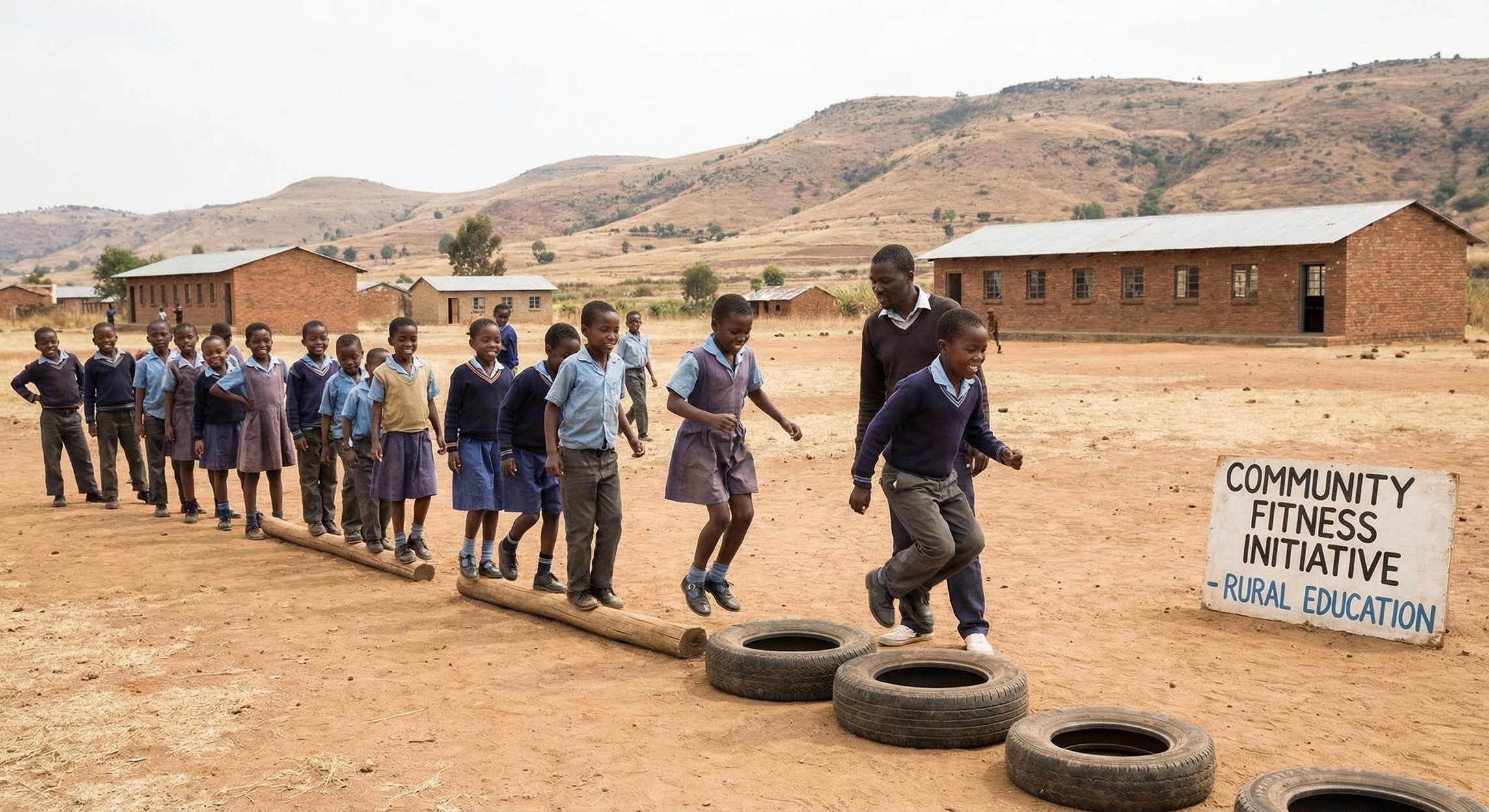
Why Fitness Matters in Rural Schools
Fitness programs offer numerous benefits for students, including:
Improved physical health: Activities like running and stretching reduce the risk of obesity and related health issues.
Enhanced mental well-being: Exercise boosts focus, alleviates stress, and improves mood.
Development of social skills: Group activities and team sports teach collaboration, communication, and leadership.
In communities where children may lack opportunities for recreational activities, fitness programs provide a structured outlet for physical and social development.
Key Elements of an Effective Fitness Program
An impactful fitness program for rural schools includes the following components:
Basic exercises, such as jumping jacks, stretches, and jogging, which require no special equipment.
Team sports like soccer, volleyball, or netball, fostering teamwork and competitive spirit.
Incorporation of traditional dances and games that reflect local culture and engage students in meaningful physical activity.
This combination of activities ensures inclusivity and cultural relevance, making fitness programs enjoyable and accessible.
Using open fields as play areas and community spaces for larger activities.
Partnering with local artisans to create affordable sports equipment, such as balls made from recycled materials.
Engaging community members as volunteer coaches or mentors to support school staff.
These approaches foster collaboration and community ownership of fitness initiatives, ensuring sustainability.
Examples of Successful Programs
Zambia Fit for Life: A partnership between local NGOs and schools, this program introduces “activity zones” featuring low-cost equipment like skipping ropes and cones. Teachers are trained to lead structured fitness activities.
Steps to Launch a Fitness Program
Rural schools can follow these steps to implement a fitness program:
Develop a mix of activities that cater to different fitness levels and interests.
Train teachers in basic fitness and sports management to build capacity within the school.
Evaluate the program’s effectiveness through feedback from students, parents, and staff, refining activities as needed.
The Long-Term Benefits
Fitness programs in rural schools have far-reaching impacts. Healthier children are better equipped to focus in class, reducing absenteeism and improving academic outcomes. Additionally, these programs foster values such as teamwork and discipline, preparing students for challenges beyond the classroom.
A Path to Holistic Education
Explore how fitness programs in rural schools enhance health, teamwork, and academic performance. Learn strategies for implementing effective initiatives in Zambia and Malawi.
fitness programs for schools, rural school wellness Africa, physical education Zambia, student health initiatives Malawi, Ganizo Magazine, Cabanga Media Group, Business in Zambia, Zambian Business
Active Kids Malawi Project Overview
https://www.activekidsmalawi.org/
Zambia Fit for Life Initiative
https://www.zambiaschoolsports.org/
 WhatsApp for a Google-Ready Website


