The romance of Zambia’s traditional ceremonies obscures a plainer fact: each one is also a logistics event. Tens of thousands of people converge on a fixed place at a fixed time, and every one of them must travel, eat, sleep and spend. Where planners see culture, an operator should see demand with a date on it. The businesses behind ceremonies such as Likumbi Lya Mize are not the performance itself; they are the unglamorous services that move, house and feed the crowd, and most of that value is currently going uncaptured.
Inter-Provincial Routes: The Demand Corridor
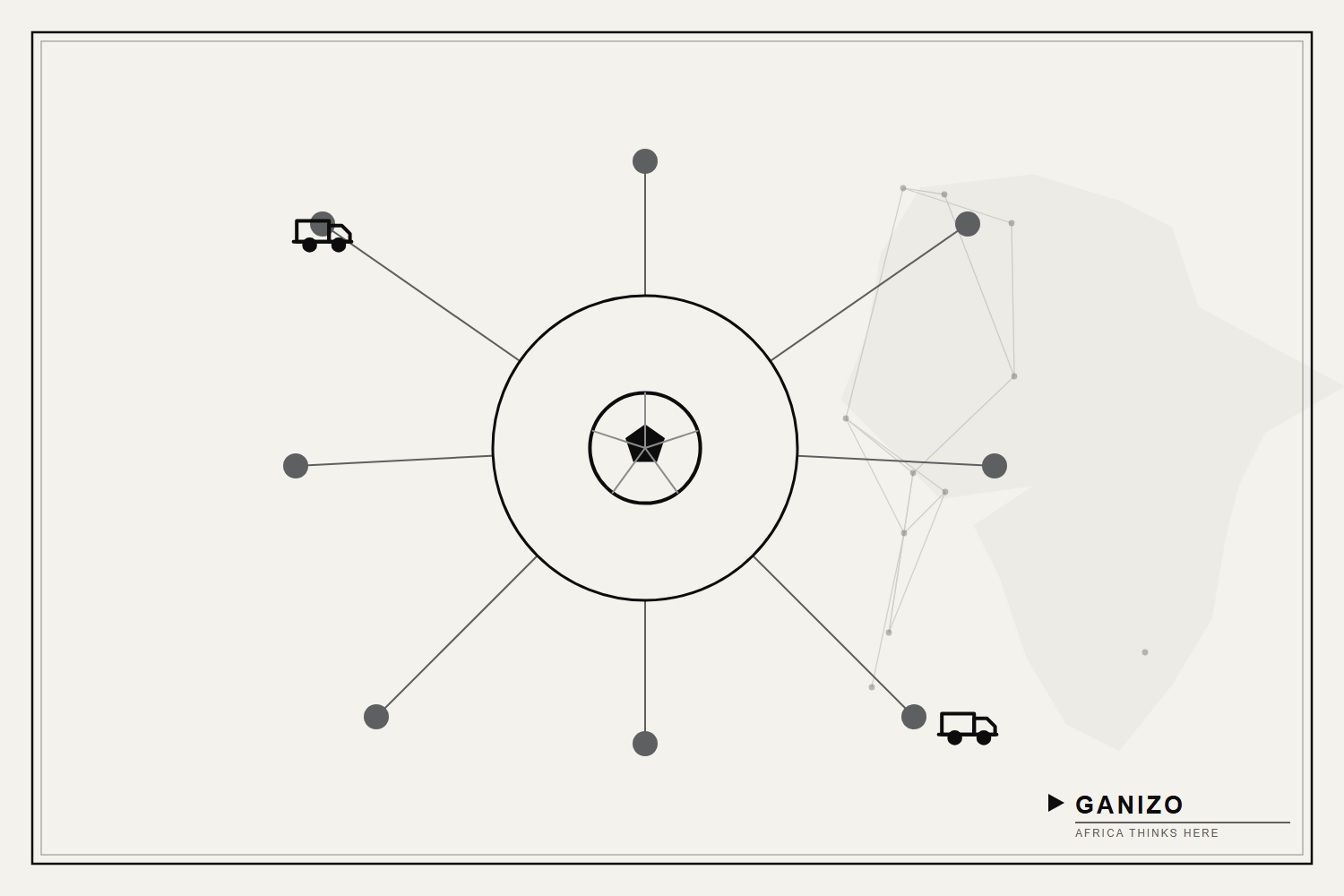
Start with movement. A national network of ceremonies, spread across provinces and seasons, is effectively a calendar of scheduled demand for transport. People travelling to Likumbi Lya Mize in Zambezi district, to Kuomboka in the Western Province or to Nc’wala in the East create predictable, dateable surges on routes that are otherwise thin.
For a transport operator, predictability is the whole game, and a ceremony calendar supplies it. The opportunity is to treat the ceremonies as a circuit rather than isolated events, building bus and charter services around known dates and known corridors, several of which overlap with the mining routes to Solwezi and the Copperbelt. The continental heritage framing that UNESCO documents is cultural; the routing opportunity underneath it is pure logistics. Demand with a date attached is the easiest demand to serve.
Local Markets and the Ceremony Economy
Where crowds gather, markets form. Every major ceremony spins up a temporary economy of food, drink, craft, regalia and trade, most of it informal and most of it untaxed and unorganised. This is real economic activity in provinces where formal commerce is scarce, and it is happening whether or not anyone plans for it.
The opportunity is to formalise and equip this ceremony-adjacent market, giving traders proper sites, giving craft-makers a route beyond the weekend, and giving the host community a share of the trade its ceremony generates. Done with the custodians, this turns a one-weekend scramble into a repeatable seasonal income in Kwacha. A crowd is a market that has not yet been organised.
Accommodation and Transport: The Binding Constraint
The hardest constraint, and therefore the clearest opportunity, is where people sleep and how they get there. Ceremony host areas are typically rural, with few formal beds and weak road access. This is exactly why the visitor spending a ceremony could capture mostly evaporates: there is nowhere for a visitor to stay and no easy way to arrive.
Solving accommodation and transport is capital-intensive and cannot be improvised for a single weekend, which is why it needs the network framing. Investment in beds and roads that serves a province’s ceremony, its wider tourism and its everyday economy can be justified where a one-event case never could. Modest, well-sited lodging and reliable transport are the difference between a ceremony that is attended and one that is monetised. The bottleneck is the business.
Documentation: The Asset That Outlasts the Weekend
Finally, there is the business of cultural documentation. Film, photography, archives and recordings turn a two-day event into a durable asset that earns through licensing, education and media long after the crowd disperses. This is the highest-margin opportunity and the one most easily lost, because if outside producers capture the material with no benefit-sharing, the community sells its most valuable asset for nothing.
Held with the custodians, a documentation business is both an income line and a safeguarding tool. It is the one part of the ceremony economy that keeps earning on the other fifty weekends of the year.
Put together, routes, markets, accommodation, transport and documentation describe a real cluster of businesses hiding behind the drums and masks. None of them requires changing the ceremony. All of them require someone treating the crowd as demand and the calendar as a schedule. The performance is the culture; the value is in the services around it, and in Zambia those services are still mostly waiting to be built.