The promise of language technology is inclusion. Its default outcome is the opposite. When a digital system learns to understand human speech, it learns from data, and the languages with the most data become the ones the machine hears best. Zambia’s languages arrive at that gate with almost empty hands — and a tool that cannot hear you does not merely ignore you, it quietly writes you out of the services built around it.
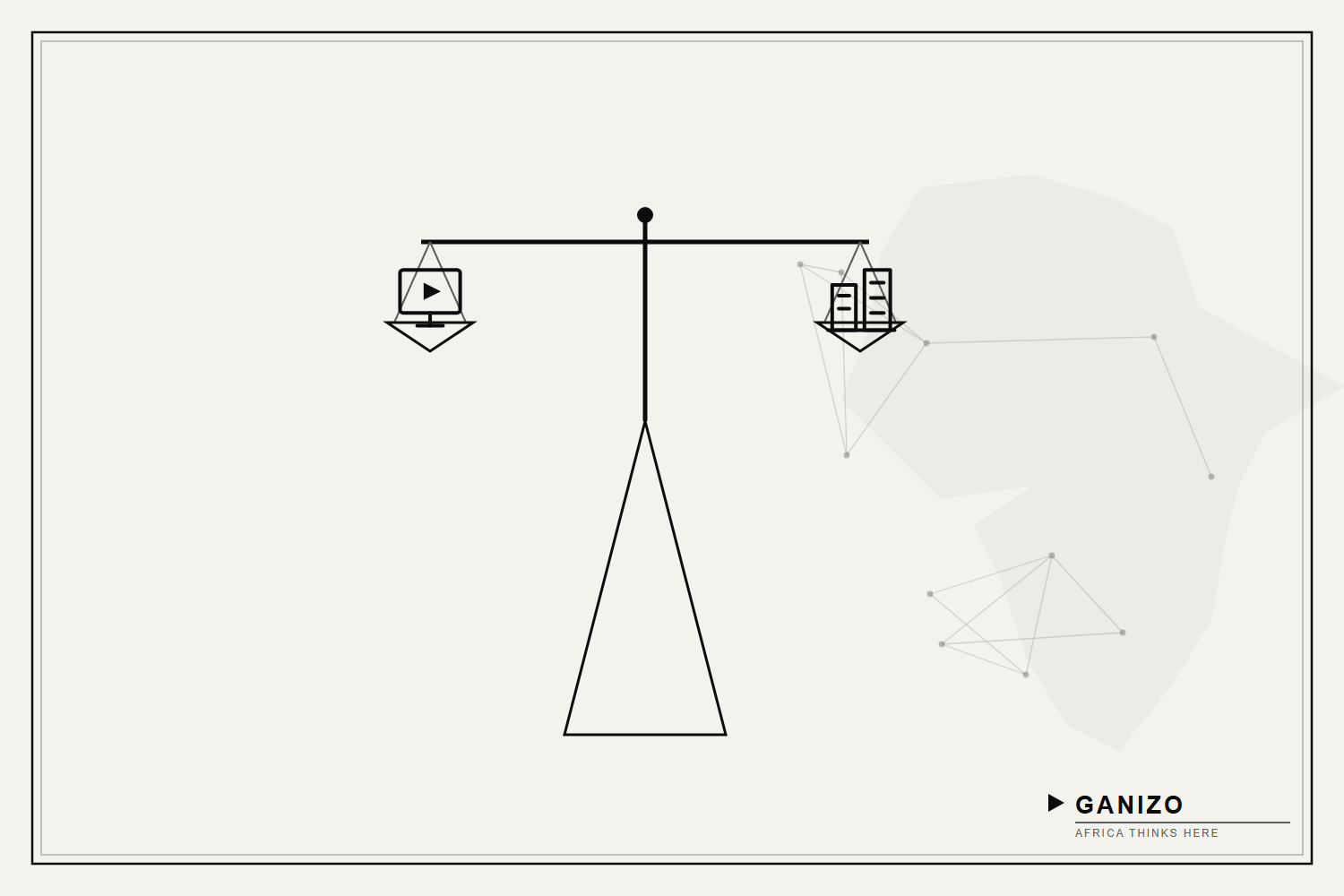
That is the trade-off the country has to interrogate before it celebrates. Digital systems can marginalise the very languages they claim to serve, and the mechanics of how that happens are now well understood. UNESCO’s work on the cultural and creative dimension of language sets the frame; the harder task is naming, in Zambian terms, exactly what could go wrong.
The Dataset Gap Becomes a Power Gap
A model is only as good as what it is trained on. English, Mandarin and a handful of European languages have oceans of digitised text and speech; Bemba, Tonga, Lunda and Luvale have puddles. Left to the market alone, developers will build for the languages that already have data, because those are cheapest to serve. The result is not neutral. Each new service — a voice assistant, an automated helpline, an AI tutor — that works in English but not in Lozi widens the distance between the connected and the excluded.
The pattern echoes the country’s older economic story. Value flows to where the inputs are already concentrated, and the periphery supplies raw material without capturing the return. In language, the raw material is the speech of ordinary Zambians; the risk is that it is harvested to train systems that then serve them poorly, or not at all.
The takeaway: without data, a language does not just lag — it is designed out of the digital economy.
Winners, and the Groups Left Outside
Name the winners honestly. Urban, English-fluent, younger and better-off Zambians already interact with digital systems in a language those systems understand. They lose little as automation spreads. The excluded are the mirror image: rural speakers, older citizens, those schooled mainly in a first language, and communities whose tongues — Kaonde, Luvale, the smaller languages beyond the seven recognised for official use — sit far down any developer’s priority list.
This matters commercially, not only socially. A bank that automates its call centre in English alone sheds cost but also sheds the customers it can no longer serve. A government portal that assumes English literacy excludes the citizens who most need the service. Exclusion by language is exclusion from markets, and it compounds quietly until it is expensive to reverse.
The takeaway: the groups a language system cannot hear are the same groups the digital economy will struggle to reach.
Standardisation: The Unspectacular Reform That Decides Everything
Beneath data sits an even less visible problem — standardisation. Many Zambian languages lack settled, widely adopted orthographies and reference corpora, which means the same word may be spelled several ways and no shared benchmark exists to train or test against. Without agreed standards, every developer starts from scratch, datasets do not combine, and progress fragments.
This is where reform is required and where it is achievable. Public investment in standardised orthographies, open reference datasets and shared evaluation benchmarks lowers the cost for every builder at once. It is the kind of foundational, low-glamour work that markets underprovide and institutions must lead — a role for universities, PACRA-registered local firms, and the ministries with a stake in education and culture.
The takeaway: standardisation is invisible until it is missing, and its absence quietly caps how far any of this can go.
Managing the Trade-off
None of this is an argument against language technology. It is an argument for building it deliberately rather than letting the default outcome arrive by neglect. The required reforms are known: fund datasets for under-resourced languages, standardise before you scale, and hold public services to a bar that includes the languages most citizens actually speak.
The alternative is a digital Zambia that works beautifully for the few and poorly for the many, with the gap widening each year as systems compound on the data they already have. The technology will not correct that on its own. The choice of whether Zambian languages are heard, or written out, is being made now — in datasets, in standards and in who decides to fund the unglamorous base.