Most African energy financing arrives wearing someone else’s name. A donor’s, a multilateral’s, a foreign utility’s. Zambia’s debt-for-energy swap is built to read differently. Coordinated by GreenCo Power Services and supported by the African Development Bank, the model is being framed around African ownership and, crucially, around the idea that what works here can be copied next door.
That framing is the point. A clever financing structure that only works once is a curiosity. One designed to spread is a blueprint. A Daily Maverick op-ed makes exactly this case, calling it a new model for African development precisely because the mechanics are replicable across countries facing the same bind.
The Ownership Question: Who Holds the Pen
What makes the Zambian structure notable is who coordinates it. GreenCo Power Services, an African entity operating in the power market, sits at the centre, with the AfDB, an African multilateral, in support. The capital and the design are anchored on the continent rather than imported wholesale.
That matters beyond symbolism. When the institution holding the pen is African, the terms, the priorities and the lessons stay local. The expertise built in structuring and running the swap accrues to African balance sheets and African teams, rather than being a transaction managed from elsewhere and unwound when the consultants leave.
Ownership is not who pays. It is who learns.
Why Replicability Is the Real Innovation
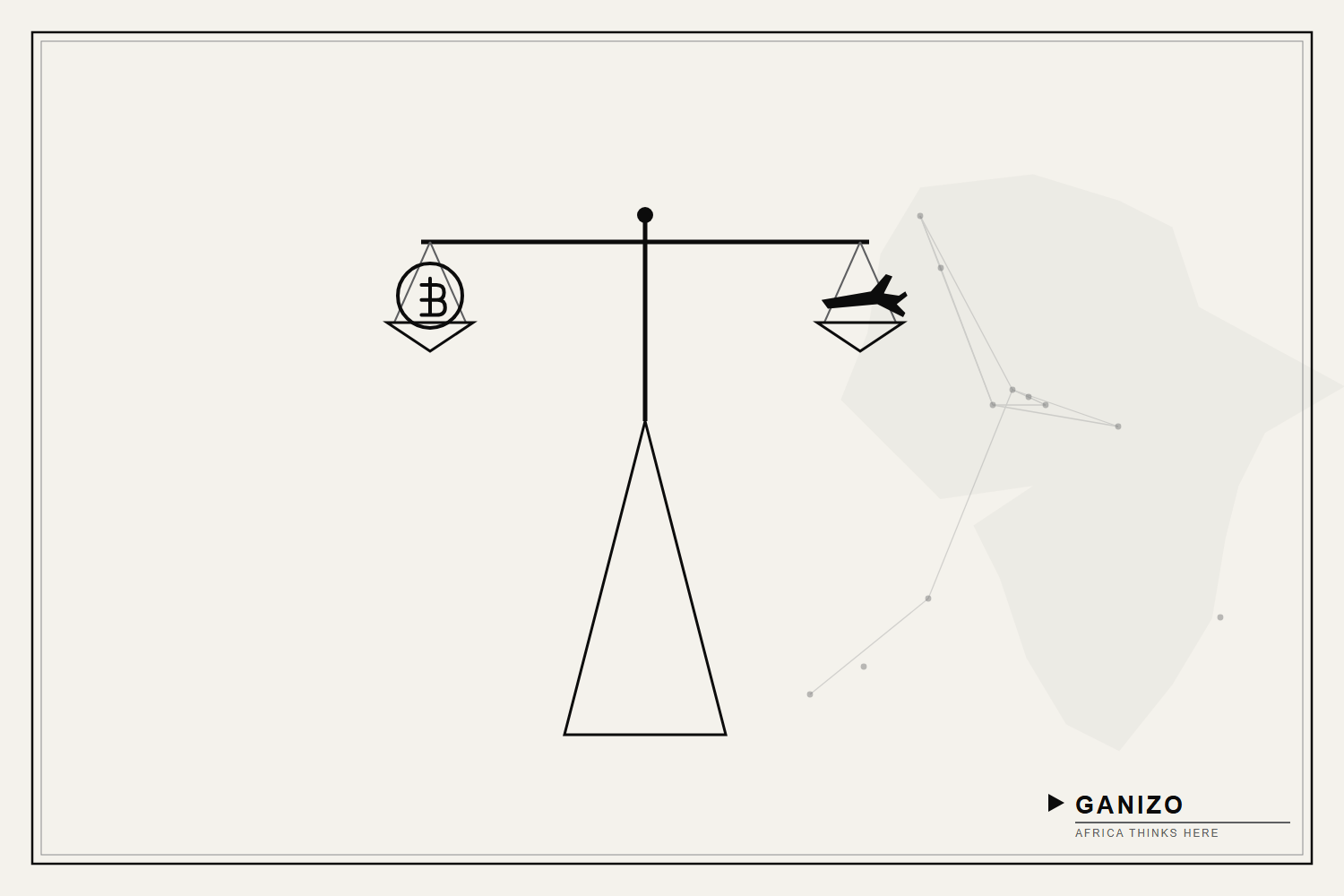
The genuine breakthrough in the GreenCo model is not that it solves one country’s problem. It is that the same logic, converting debt obligations into energy investment, addresses a constraint shared across the continent. Many African economies carry heavy debt and chronic power shortfalls at the same time. A structure that turns one problem into the funding for the other is, by design, portable.
Replicability changes the economics of effort. Designing a bespoke deal for a single country is expensive relative to its reach. Designing a template that other markets can adapt spreads that fixed cost across many uses. The op-ed’s emphasis on replicability is therefore not a footnote. It is the feature that turns a Zambian arrangement into a continental tool.
A deal solves a problem. A template solves a category.
The AfDB’s Role: Multilateral Weight, Local Design
The African Development Bank’s support gives the structure something a single-country effort cannot easily generate: credibility and reach across borders. A multilateral that operates continent-wide is positioned to carry a proven model from Zambia into other member states, lending its convening power and balance sheet to the spread.
That combination, local coordination through GreenCo and continental support through the AfDB, is what gives the blueprint legs. The design stays close to the market it serves while the distribution channel reaches well beyond it. For an investor or policymaker watching from Lusaka, the question becomes less whether the Zambian deal works and more how fast the pattern travels.
What an Operator Should Watch
For founders, financiers and officials across the region, the swap is worth tracking as a proof of concept rather than a finished product. The signal to watch is adoption: whether other African states take the structure up, and on what terms they adapt it. That is the test of a true blueprint.
The practical implication is that energy financing in Africa may be entering a phase where models originate on the continent and circulate within it, rather than being delivered from outside. If Zambia’s swap spreads, it will have done something more durable than fund megawatts. It will have shown that the design authority can sit in Lusaka and still scale.
The megawatts matter. But the lasting export here is the idea that an African-owned structure can become the one others copy.