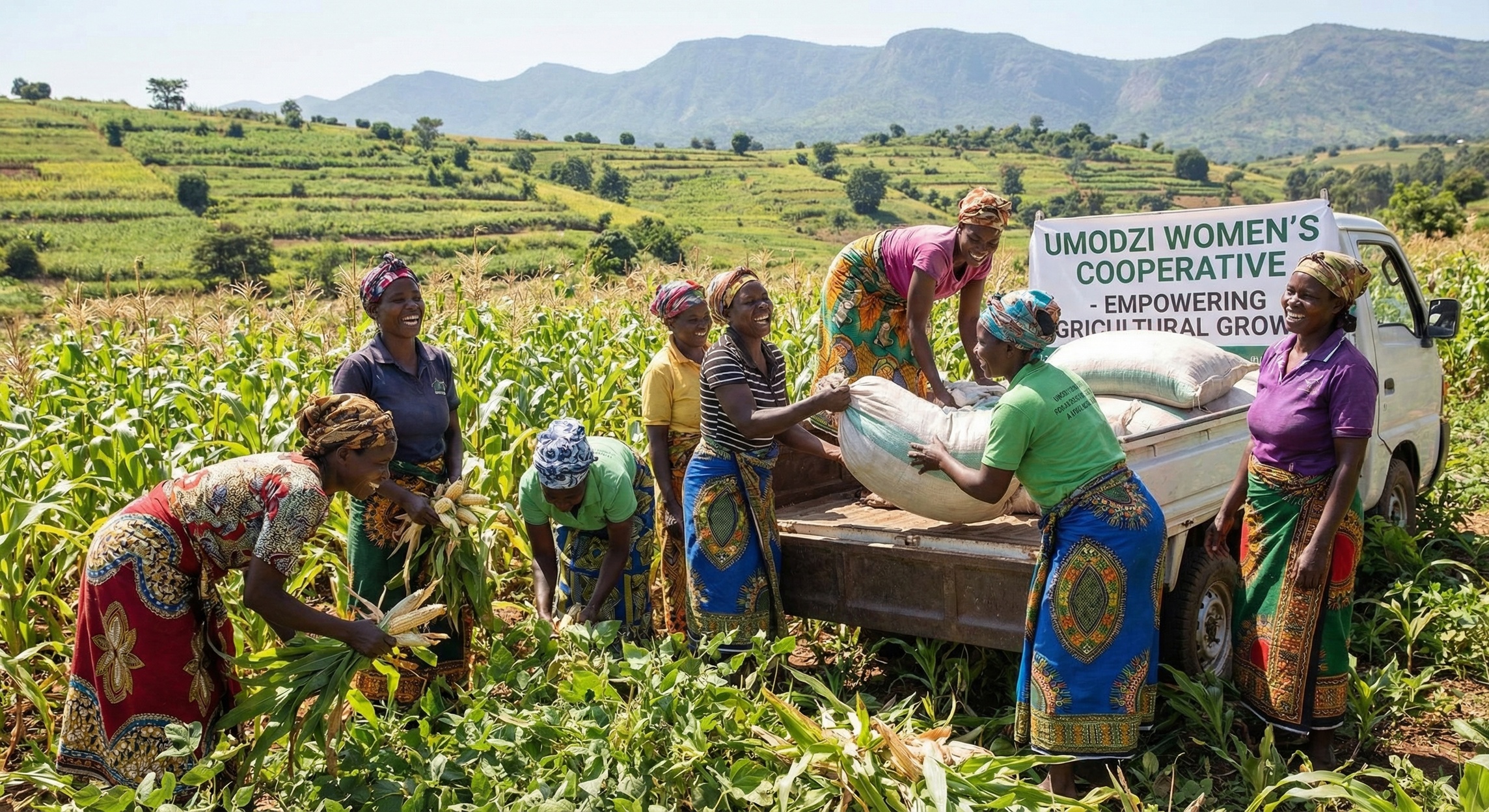
In Malawi, agriculture is not just the backbone of the economy but also a key driver of rural development. Women play a crucial role in this sector, contributing over 70% of the agricultural labor force. However, their contributions often go unrecognized, and they face significant barriers such as limited access to land, credit, and technology. Despite these challenges, many women in Malawi are leading the charge in transforming the agricultural landscape. Their resilience and innovation are paving the way for sustainable growth and economic empowerment.
Empowering Women Through Agricultural Initiatives
One of the most inspiring success stories is that of the Female Farmers Network, a collective of over 5,000 women dedicated to modern farming practices and market access. Founded by local entrepreneur Alinafe Kamwendo, the network provides training on sustainable agriculture and connects women to local and international markets. Kamwendo herself transitioned from subsistence farming to running a thriving poultry business, which now employs 15 women in her community.
Overcoming Barriers to Success
While these achievements are commendable, the path to success has not been easy. Many women face legal and cultural barriers to land ownership, making it difficult to scale their farming operations. Additionally, limited access to credit and training restricts their ability to adopt modern agricultural techniques.
Organizations like Oxfam and UN Women are working to address these issues through programs that promote land rights and financial literacy for women. For instance, Oxfam’s Gendered Enterprise and Markets initiative in Malawi has helped thousands of women secure loans and expand their businesses.
The Ripple Effect of Women’s Success
The success of women in agriculture extends beyond individual households. Communities benefit from improved food security, increased employment opportunities, and strengthened local economies. For example, women-run farming projects often prioritize sustainable practices, such as organic farming and crop rotation, which improve soil health and biodiversity. These practices ensure that future generations can continue to rely on agriculture as a livelihood.
Inspiration from Global Examples
Malawi’s women farmers can draw inspiration from global examples, such as India’s Self-Employed Women’s Association (SEWA), which has empowered millions of women through training and cooperative models. Similarly, Brazil’s rural women’s programs have demonstrated the power of policy support in leveling the playing field for female farmers. Adapting these lessons to Malawi’s context can further strengthen the role of women in agriculture.
Towards a Brighter Future
The achievements of Malawi’s women farmers highlight the transformative power of resilience, innovation, and community support. By investing in women and addressing systemic barriers, stakeholders can unlock the full potential of agriculture as a driver of growth and development. Women are not just participants in Malawi’s agricultural sector—they are its future.
Discover how women in Malawi are transforming agriculture through innovation and resilience. Learn about their challenges, successes, and the impact of their efforts on communities.
women in agriculture, Malawi farming, women entrepreneurs Malawi, sustainable farming Malawi, women-led cooperatives, Ganizo Magazine, Cabanga Media Group, Business in Zambia, Zambian Business
Malawi Ministry of Agriculture
https://malawi-agriculture.gov.mw/women-in-agriculture
FAO Case Study on Women in Agriculture
https://www.fao.org/gender-agriculture
World Bank: Women Empowerment in Malawi
https://worldbank.org/malawi
 WhatsApp for a Google-Ready Website