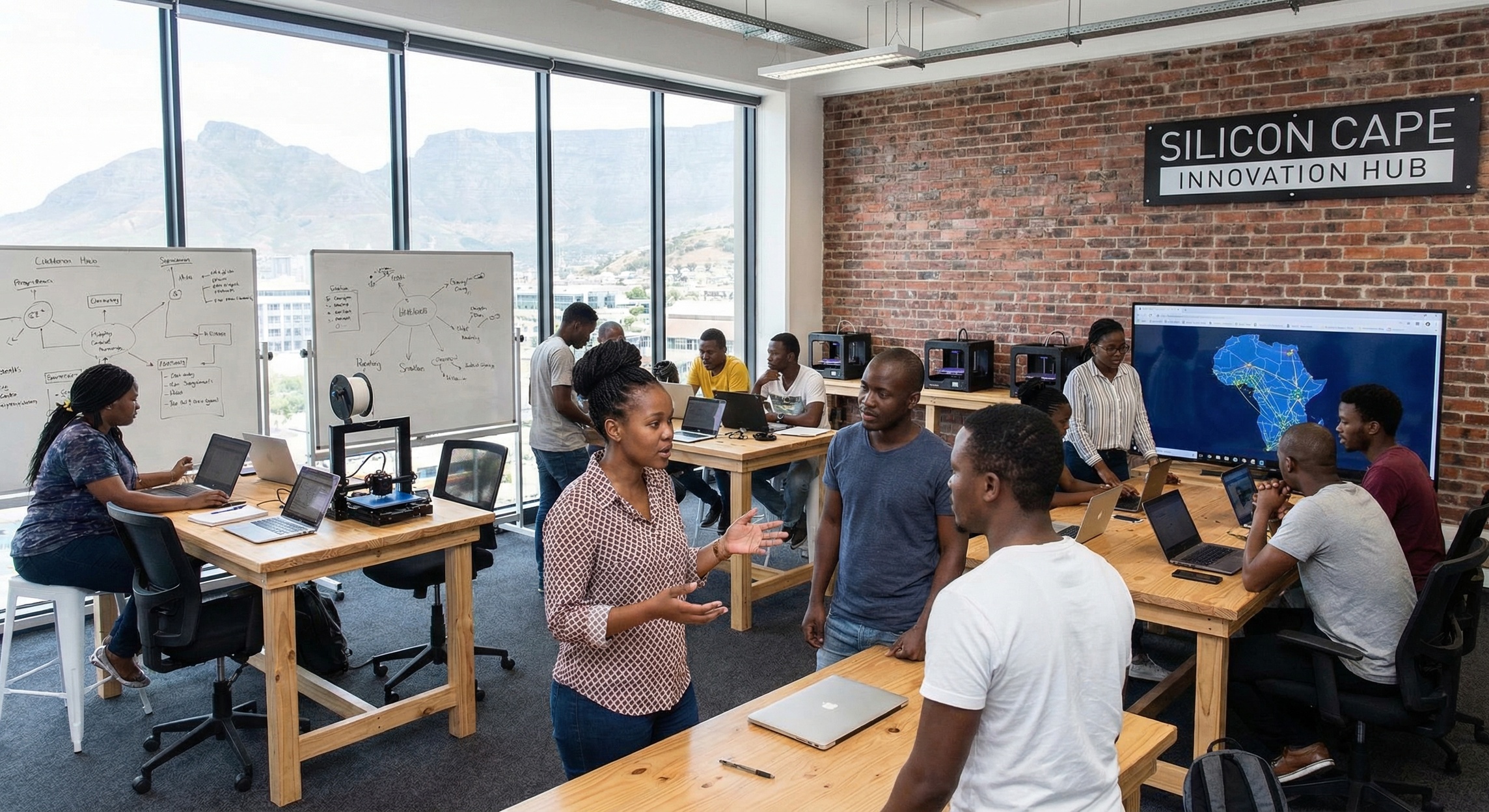
Southern Africa is experiencing a technological awakening, with innovation hubs emerging as key players in fostering entrepreneurship. In Zambia and Malawi, these hubs are providing critical support to startups by offering training, funding, and networking opportunities. For aspiring entrepreneurs, tech hubs represent not just workspaces but ecosystems where ideas transform into impactful businesses. This article explores the rise of tech hubs in the region and their role in driving economic growth.
The Rise of Tech Hubs in Zambia and Malawi
Over the past decade, tech hubs have sprouted in major cities across Southern Africa, positioning the region as a growing hub for innovation. In Zambia, the Lusaka Innovation Hub serves as a launchpad for tech-driven startups, offering mentorship and access to venture capital. Similarly, mHub in Malawi, the country’s first technology and innovation hub, focuses on capacity building for young entrepreneurs and has supported over 150 startups annually.
Opportunities for Aspiring Entrepreneurs
Tech hubs open doors to numerous opportunities for entrepreneurs, including:
Access to Funding: Many hubs are connected to global venture capital networks, providing startups with the financial backing needed to grow.
Networking: Entrepreneurs gain access to a vibrant community of like-minded individuals and industry experts.
Skills Development: Regular workshops and boot camps equip entrepreneurs with technical and business skills tailored to their industries.
In Malawi, mHub has pioneered digital literacy programs targeting women, ensuring inclusivity in the tech ecosystem. This initiative has led to a rise in female-led startups, proving that diversity enhances innovation.
Challenges and How Tech Hubs are Addressing Them
While tech hubs provide significant support, startups in Zambia and Malawi still face challenges such as limited infrastructure, high operational costs, and a lack of legal frameworks to protect intellectual property. However, tech hubs are stepping up to address these issues. For example, partnerships with global tech giants like Microsoft and Google have enabled hubs to offer subsidized software and cloud services. Additionally, advocacy by hub leaders is driving policy reforms to create a more startup-friendly environment.
Global Inspiration for Local Growth
Tech hubs in Southern Africa can draw inspiration from global models. In Kenya, Nairobi’s iHub has become a beacon for innovation, producing successful companies like M-Pesa. Similarly, India’s T-Hub integrates corporate partnerships to accelerate startup growth. By adopting similar strategies, tech hubs in Zambia and Malawi can scale their impact and attract international recognition.
The Future of Tech Hubs in Southern Africa
As the region embraces digital transformation, tech hubs are poised to become critical drivers of economic growth. By fostering entrepreneurship, promoting innovation, and connecting startups to global markets, these hubs are laying the foundation for a thriving tech ecosystem. For aspiring entrepreneurs, the message is clear: the future is digital, and the opportunities are endless.
Explore the rise of tech hubs in Zambia and Malawi, their impact on startups, and how they are fostering innovation and driving economic growth in Southern Africa.
tech hubs Southern Africa, startups in Zambia, innovation hubs Malawi, tech ecosystem, digital transformation Africa, Ganizo Magazine, Cabanga Media Group, Business in Zambia, Zambian Business
mHub Malawi Overview
https://mhubmw.com/
Lusaka Innovation Hub Projects
https://lusakainnovationhub.org/
World Bank Report on African Tech Ecosystems
https://www.worldbank.org/african-tech
 WhatsApp for a Google-Ready Website