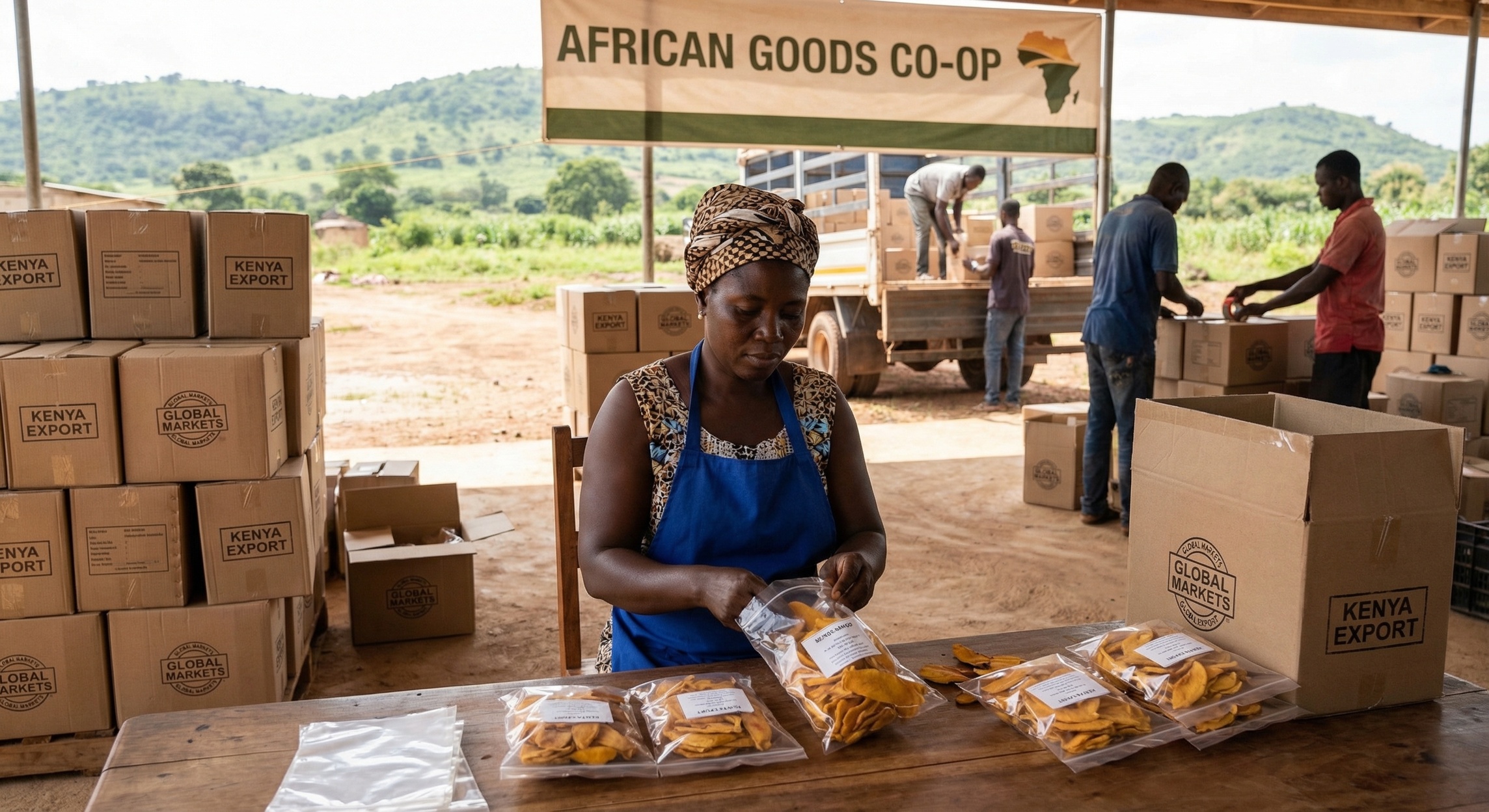
For small-scale producers in Zambia and Malawi, exporting products to international markets can open doors to higher profits and greater opportunities. However, navigating export regulations, certifications, and logistics can be daunting for many entrepreneurs. This article provides a practical guide to help small-scale producers streamline the export process and tap into global markets effectively.
Step 1: Understand Export Requirements
The first step in exporting is understanding the legal and regulatory requirements of your target market. Key considerations include:
Product Standards: Ensure your products meet international quality standards. Certifications like GlobalG.A.P. are often required for agricultural exports, ensuring compliance with food safety and sustainability standards.
Step 2: Identify Your Market
Researching and selecting the right market is critical for success. Identify countries where demand for your product is high and competition is manageable. For example, Zambian honey and Malawian groundnuts are highly sought after in European markets due to their organic quality.
Government trade offices and export promotion agencies, such as ZimTrade and the Malawi Investment and Trade Centre (MITC), provide valuable market intelligence and support for exporters.
Exporting requires upfront investment in production, packaging, and transportation. Consider funding options such as:
Export Development Grants: Offered by organizations like AGRA and USAID to support small producers entering export markets.
Export Credit Insurance: Protects against payment defaults and reduces financial risks associated with international trade.
Step 4: Optimize Logistics and Shipping
Efficient logistics are essential for successful exporting. Key steps include:
Choose Reliable Shipping Partners: Work with logistics companies experienced in handling exports from Africa to your target market. DHL and Bolloré Africa Logistics are popular choices for small-scale exporters.
Negotiate Favorable Terms: Ensure clarity on delivery timelines, shipping costs, and insurance coverage to avoid unexpected expenses.
For perishable goods, such as fresh produce, cold chain logistics are crucial to maintaining quality during transportation.
Step 5: Market Your Product Globally
Effective marketing ensures your product stands out in competitive global markets. Build a strong digital presence through a professional website and active social media accounts. Platforms like Alibaba and Amazon Global Selling allow small producers to showcase their products to international buyers.
Trade fairs and expos are also excellent opportunities to connect with potential clients and partners. Events like the Global Export Development Expo in South Africa provide a platform for African producers to showcase their products to global audiences.
Overcoming Common Challenges
Exporting can be challenging, particularly for small-scale producers with limited experience. Common hurdles include:
High Certification Costs: Seek grants or subsidies from trade organizations to offset certification expenses.
Language Barriers: Use translation services or hire local agents in your target market to facilitate communication.
Regulatory Changes: Stay informed about updates to export laws and policies to avoid compliance issues.
The Path to Global Success
Learn how small-scale producers in Zambia and Malawi can simplify the export process. Discover tips on regulations, logistics, and marketing to succeed in global markets.
export guide Zambia, small-scale producers Africa, export logistics Malawi, international trade Zambia, GlobalG.A.P. certification, Ganizo Magazine, Cabanga Media Group, Business in Zambia, Zambian Business
AGRA Funding Opportunities
https://agra.org/
GlobalG.A.P. Certification Guide
https://www.globalgap.org/
ZimTrade Export Promotion Agency
https://www.zimtrade.co.zw/
 WhatsApp for a Google-Ready Website