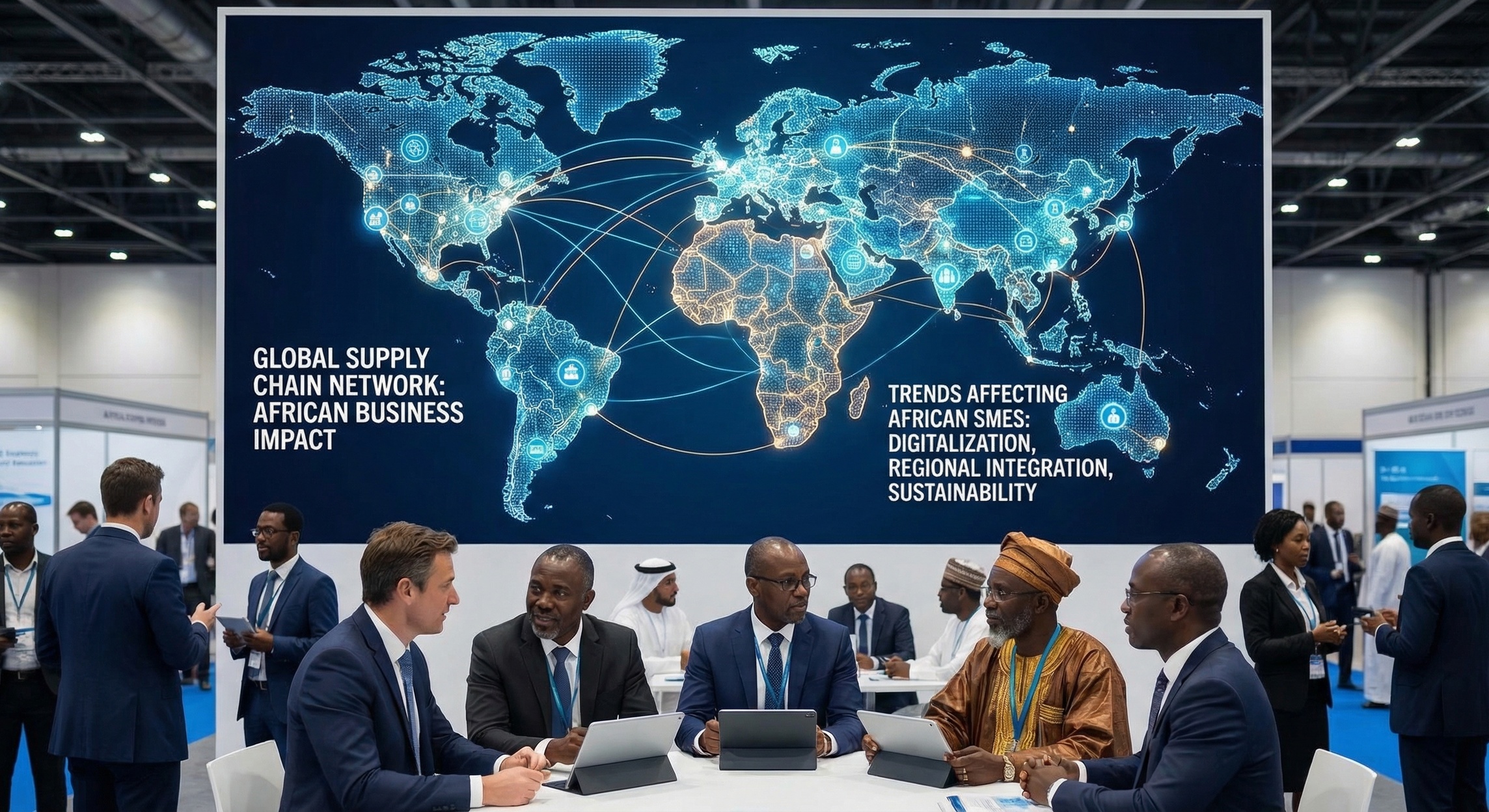
Global supply chains are evolving rapidly, driven by technological advancements, shifting consumer demands, and disruptions such as the COVID-19 pandemic. For small and medium-sized enterprises (SMEs) in Southern Africa, these trends present both challenges and opportunities. By adapting to global supply chain dynamics, SMEs in Zambia and Malawi can enhance efficiency, reduce costs, and access new markets. This article explores the key global trends shaping supply chains and their implications for African SMEs.
The Shift Toward Digital Supply Chains
One of the most significant trends in global supply chains is digitalization. Technologies such as blockchain, artificial intelligence (AI), and Internet of Things (IoT) devices are transforming how businesses track inventory, forecast demand, and manage logistics. For SMEs in Zambia and Malawi, adopting digital tools can improve transparency, reduce delays, and build trust with international partners.
For example, Zambian agribusinesses exporting maize can use blockchain to ensure traceability, guaranteeing product quality and compliance with international standards. Similarly, Malawian textile producers can leverage AI-driven analytics to optimize production schedules and meet tight delivery deadlines.
The Rise of Nearshoring
Nearshoring, the practice of sourcing goods and services from nearby regions rather than distant suppliers, has gained traction as companies seek to reduce transportation costs and mitigate risks. This trend creates opportunities for African SMEs to position themselves as reliable suppliers to global markets.
Zambia’s proximity to South Africa, a major trade hub, offers SMEs an advantage in supplying goods such as agricultural products and minerals. By capitalizing on nearshoring trends, businesses can shorten lead times and increase competitiveness.
Sustainability as a Competitive Advantage
Sustainability has become a critical factor in global supply chains, with consumers and businesses prioritizing eco-friendly practices. SMEs that adopt sustainable methods, such as reducing carbon emissions or using recyclable packaging, can appeal to environmentally conscious buyers.
In Malawi, small-scale tea producers have adopted eco-friendly farming techniques to meet the growing demand for sustainable products in European markets. By aligning with global sustainability standards, these SMEs are enhancing their marketability and earning premium prices.
Challenges Facing African SMEs
While global supply chain trends present opportunities, African SMEs face challenges in adapting to these changes:
Infrastructure Gaps: Poor road networks, limited rail connectivity, and high energy costs increase transportation expenses and reduce efficiency.
Regulatory Barriers: Complex trade policies and inconsistent customs procedures create delays and add costs.
Addressing these challenges requires investment in infrastructure, streamlined trade policies, and targeted support programs for SMEs.
Opportunities for Growth
Governments and private sector players must also invest in digital infrastructure and capacity-building programs to enable SMEs to compete on a global scale.
Global Lessons for Local Applications
Countries like India and Vietnam have successfully integrated their SMEs into global supply chains by focusing on technology adoption and infrastructure development. Zambia and Malawi can draw inspiration from these models to enhance competitiveness and drive economic growth.
Adapting for the Future
Global supply chain trends are reshaping how businesses operate, offering African SMEs opportunities to innovate and expand. By embracing digital tools, prioritizing sustainability, and leveraging regional advantages, SMEs in Zambia and Malawi can position themselves as integral players in the global economy. With the right strategies and support, these businesses can overcome challenges and thrive in a rapidly changing landscape.
Explore the impact of global supply chain trends on African SMEs. Learn how digitalization, sustainability, and nearshoring create opportunities for businesses in Zambia and Malawi.
global supply chains Africa, SMEs Zambia, sustainability trends Africa, nearshoring Malawi, supply chain technology, Ganizo Magazine, Cabanga Media Group, Business in Zambia, Zambian Business
DHL Africa SME Logistics Services
https://www.dhl.com/africa
World Economic Forum on Supply Chains
https://www.weforum.org/supply-chains-africa
McKinsey Report on Global Trade Trends
https://www.mckinsey.com/global-trade
 WhatsApp for a Google-Ready Website