
For years, a quiet rule governed Zambia’s highways: as night fell, commercial trucks and buses pulled over and the freight corridor effectively shut down. In a landlocked country whose economy depends on goods moving across long distances to ports and borders, that nightly pause was a hidden tax on every tonne in transit. Lifting it is the most tangible piece of Zambia’s 24-hour-economy push — and it arrives carrying both an opportunity and a warning.
The Change: Reclaiming the Night-Time Corridor
On 1 April 2026 the government lifted the night-travel ban on commercial trucks and buses, allowing the freight and passenger fleet to run around the clock. For a landlocked economy, the logistics gain is direct. Goods bound for or arriving from ports in neighbouring countries no longer lose a chunk of every day to a mandatory halt, and turnaround times on the long hauls that define Zambian trade can compress.
Faster cycles mean a truck completes more trips a month, spreading its fixed cost over more freight and lowering the per-tonne price of moving goods. In a country where transport is a heavy line in the cost of almost everything traded, that is not a marginal change. It is a structural improvement to the competitiveness of Zambian commerce.
The gain compounds beyond the individual truck. Border posts, ports and the fixed assets along the corridor are expensive infrastructure that earns nothing while a fleet sits idle through the dark hours. Running around the clock lifts the utilisation of the whole chain — terminals, weighbridges, the depots that load and unload — so the country draws more output from capacity it has already paid to build. For a transit economy whose geography is both its burden and its asset, squeezing more throughput from the same corridor is among the cheapest growth available.
*In a landlocked economy, time spent parked is freight cost no one chose to pay.*
The Catch: A Saving Exposed to the Fuel Price
The warning came from Commerce Minister Chipoka Mulenga, who cautioned that rising global fuel prices could squeeze the economy. The two facts sit in deliberate tension. Running the corridor 24 hours a day means burning more fuel, sooner — and the entire efficiency gain is denominated in a commodity Zambia imports and does not price.
This is the real exposure beneath the reform. The logistics benefit is genuine, but it is leveraged to a variable set in global markets and paid for in foreign exchange. If fuel costs climb, the saving from faster turnarounds can be eaten by a higher bill at the pump, and the productivity dividend thins. A 24-hour economy that runs on imported diesel is only as cheap as the next oil-price move.
There is a second-order strain to weigh as well. A higher global fuel price does not only raise the cost of running the corridor; it pulls on the same foreign exchange the economy needs across the board, and it feeds into the price of nearly everything that moves by road. The night-travel reform widens the channel through which a fuel shock reaches the wider economy, because more activity now depends on continuous haulage. The efficiency and the exposure are bought together, in the same decision.
*Round-the-clock logistics is a bet that the time you save is worth more than the fuel you burn.*
The Read: Manage the Variable You Don’t Control
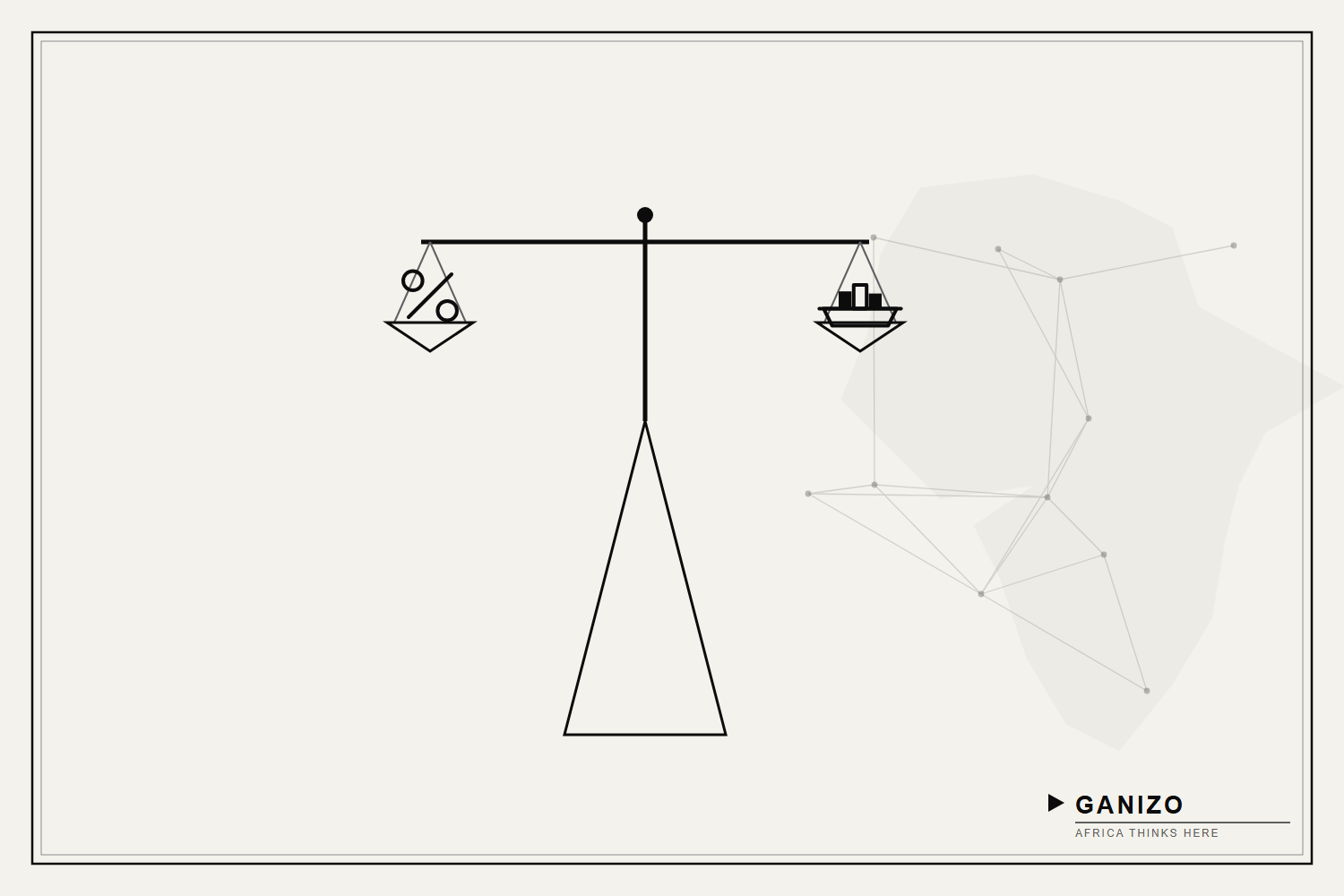
For operators, the practical instruction is to treat the two facts as a single equation. Hauliers and traders should capture the genuine turnaround gains the lifted ban offers, while hedging hard against the fuel-price risk that the minister flagged — through routing discipline, fuel efficiency and pricing that does not assume cheap diesel forever. Contracts written on the assumption of permanently cheap diesel are the ones that hurt when the price turns; the operators who fare best will be those who pass through fuel movements transparently rather than absorbing them quietly until margins vanish.
The broader macro picture, watched alongside the Bank of Zambia, is one of an economy deliberately raising its metabolism. A faster economy is generally a more productive one, and the night-corridor reform is a sound, concrete step. But productivity bought with more fuel is only a net gain while fuel stays affordable. The lights are on across the corridor now; the question every operator should keep asking is what it costs to keep them on.