Zambia holds one of Southern Africa’s deepest cultural inheritances and captures a modest share of the region’s culture-and-tourism spending. The festivals that command the largest crowds and the fattest sponsorship budgets still tend to sit in South Africa’s cities or on the East African circuit. Livingstone, the tourist capital beside Victoria Falls, has the location, the visitor traffic and the symbolism to bend that arithmetic. Whether the Livingstone International Cultural and Arts Festival becomes the vehicle for it is the question the next decade will answer.
The Marketplace Test: Event Or Institution
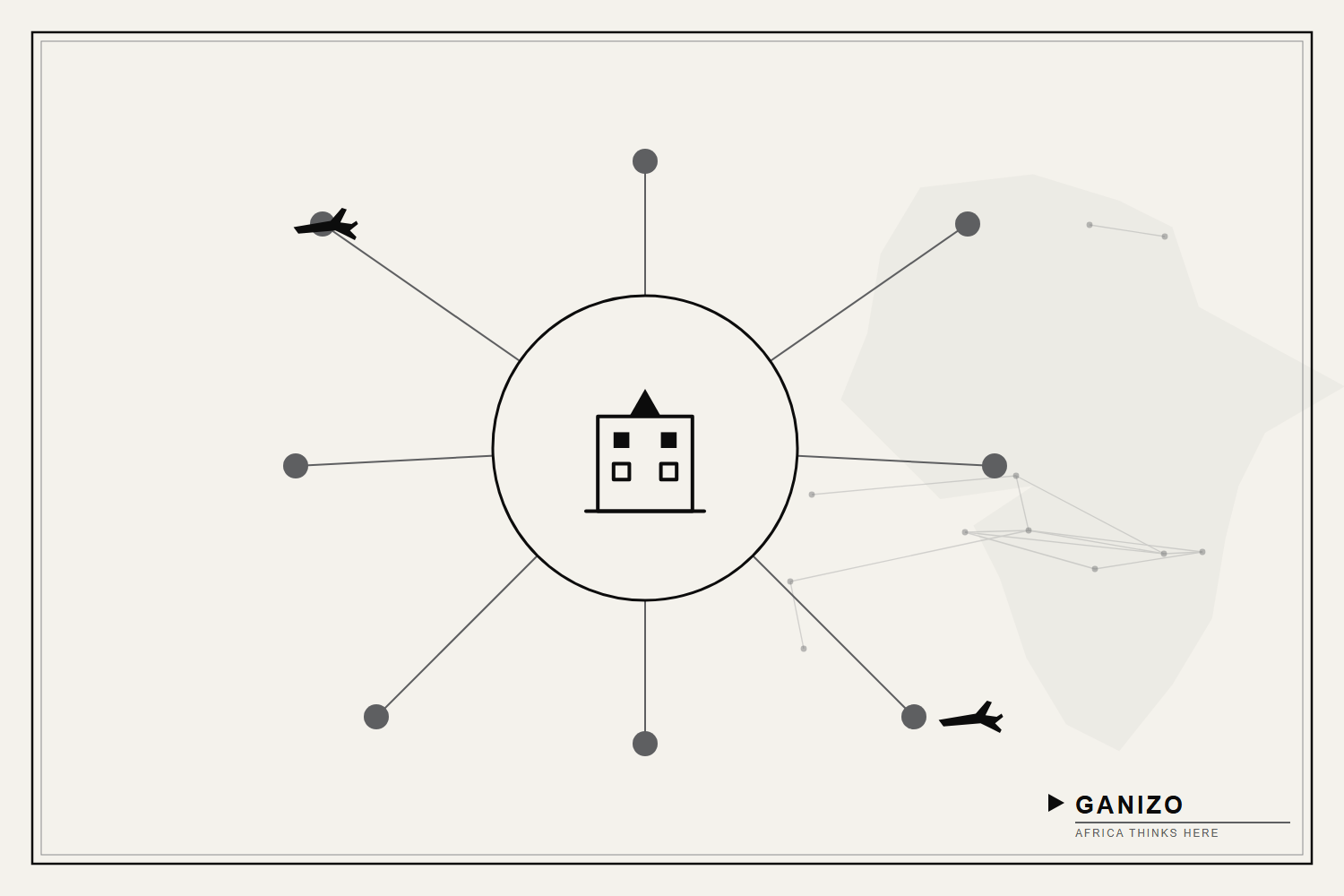
A festival draws a crowd for a weekend. A marketplace convenes buyers and sellers who come back every year because deals get done. That distinction sits at the centre of the 2030s ambition set out in the Ministry of Tourism’s outlook for the festival. Becoming Southern Africa’s leading culture-and-tourism marketplace would not be measured by ticket sales alone but by the transactions that gather around the event: bookings for touring artists, licensing of Zambian music and craft, curated travel packages sold into the festival window, and repeat exhibitor demand from across the region.
The honest position is that most African cultural festivals never make that jump. They stay dependent on public subvention and one-off donor grants, and they rise or fall with the enthusiasm of a particular minister. The ones that endure build a commercial spine underneath the celebration. That is the bar LICAF has set for itself, and it is the right one.
The Livingstone Advantage: Geography As A Head Start
Livingstone begins with an asset few rivals can match. Victoria Falls already pulls international visitors, the airport handles regional connections, and the town shares a border crossing with Zimbabwe and easy road access toward Botswana and Namibia. A cultural marketplace does not have to manufacture footfall from nothing; it has to convert existing tourist traffic into cultural spending and give the region’s creative operators a reason to travel to it.
That conversion is where the work lies. Falls tourists arrive for the natural wonder and often leave without buying a Zambian record, a piece of craft or a ticket to a local performance. A festival that captures even a fraction of that passing demand, and sells to the tour operators who package the destination, turns geography into revenue. Proximity is a head start, not a finish line.
The Indicators To Track Toward 2031
Ambition is cheap; the useful discipline is deciding in advance what would prove it. Several indicators will show whether LICAF is climbing or plateauing. First, the share of attendees and exhibitors coming from outside Zambia, particularly from SADC neighbours, is the clearest sign it has become regional rather than national. Second, the ratio of private sponsorship and gate revenue to public funding signals commercial durability. Third, the number of touring bookings, licensing deals and export orders that trace back to the festival measures whether it functions as a marketplace at all. Fourth, hotel occupancy and airline load in the festival window test whether it moves the tourism needle for Livingstone as a whole.
Each of those is countable, and each can be reported year on year without spin. A programme that publishes them invites accountability; one that talks only about attendance is managing perception.
The Scenario Split: Three Ways This Goes
By 2031 the festival lands in one of three places. In the first, it consolidates as a respected national event, valued locally but not a regional draw, its budget still tied to the fiscal cycle. In the second, it becomes a genuine Southern African marketplace, convening buyers and sellers, exporting Zambian culture and anchoring a shoulder season for Livingstone tourism. In the third, momentum stalls, funding wavers, and the event survives without growing.
The deciding variables are not mysterious. Consistent dates, a professional commercial team, regional marketing reach and a credible pipeline of private sponsors separate the second outcome from the other two. Zambia has the raw material and the location; execution over several unglamorous years is what converts them.
A festival becomes a marketplace the year buyers plan their travel around it.