Corridors are usually discussed as diplomacy and steel, but every kilometre of new track is also a shopping list of businesses waiting to be built beside it. A railway that only carries copper out and leaves the towns along it unchanged is a missed enterprise, not a triumph. The commercial question behind Zambia’s trade-corridor push is therefore the more interesting one: where does the private money go once the route exists.
Logistics and Dry Ports: The First-Order Businesses
The most immediate opportunity sits in the movement and handling of freight itself. A functioning corridor needs inland container depots, dry ports and bonded warehouses where cargo is consolidated, cleared and staged before the long haul to the coast. Zambia’s position as an inland hub for both its own minerals and Congolese volumes makes places such as Ndola, Kapiri Mposhi and Solwezi natural sites for these facilities. COMESA’s own analysis of key issues in regional integration repeatedly returns to the same bottleneck: it is not the absence of roads and rails that strangles intra-African trade so much as the absence of the handling, storage and clearance infrastructure that lets goods flow through them.
That gap is the opportunity. Whoever owns the dry port owns a toll on every consignment that passes.
Warehousing and Industrial Clusters: Capturing More Than Transit
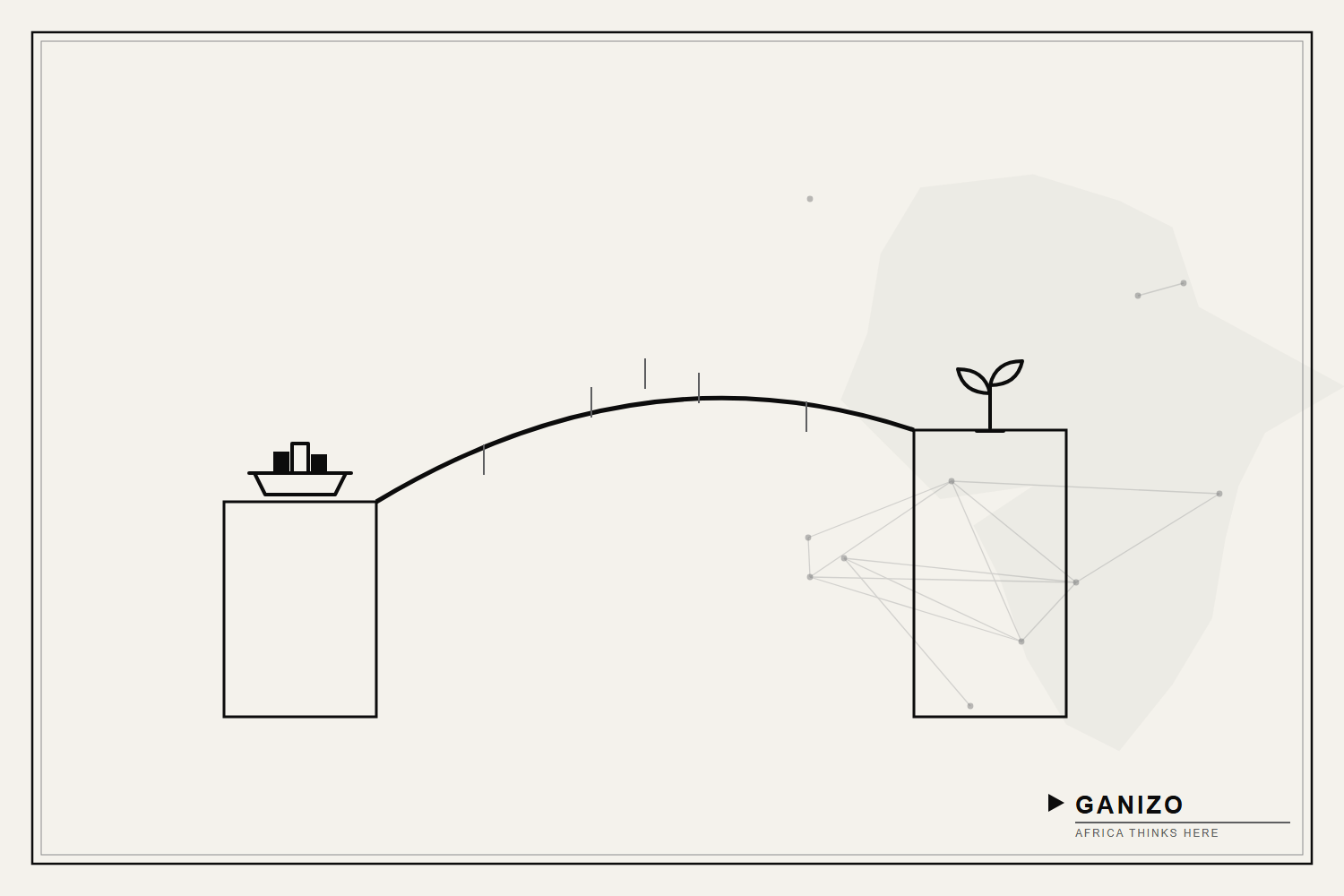
The deeper prize is to make Zambia a place where cargo stops and gains value, not merely a place it passes through. Warehousing and cold storage support agriculture and retail supply chains; industrial clusters and special economic zones let raw copper and cobalt be turned into wire, rod and battery precursors before export. A corridor that carries a finished product earns the country far more per wagon than one that carries unprocessed ore, and it does so while creating the jobs that transit alone never will.
The Zambia Development Agency has built its investment pitch around exactly this shift from evacuation to beneficiation. For an operator, the cluster beside the railhead is where the margin lives.
Agriculture and Cross-Border Services: The Wider Catchment
Corridors also open markets for goods that never reach a mine. Reliable freight and predictable clearance let Zambian maize, soya and horticulture reach buyers in the Democratic Republic of Congo, Angola and beyond, turning a good harvest into an export rather than a domestic glut. Around the physical trade sits a services economy — freight forwarding, customs brokerage, insurance, inspection, fuel, vehicle maintenance and short-haul trucking — that scales with volume and needs comparatively little capital to enter.
These cross-border services are the businesses most accessible to Zambian entrepreneurs, precisely because they require expertise and relationships more than heavy balance sheets. The corridor’s traffic is their raw material.
Where the Capital Should Look
The pattern across all of these is that the corridor is a platform, and the returns accrue to those who build the businesses that sit on it rather than to the cargo passing over it. Financiers and founders reading the map should weigh three tiers: the capital-heavy handling infrastructure of dry ports and warehouses, the value-adding industrial clusters that convert transit into production, and the lighter cross-border service firms that monetise the flow of goods.
Currency discipline matters here. Most freight and cross-border trade is invoiced in US$, while wages, land and local services are paid in Kwacha, and the businesses that endure are those that manage the gap between the two rather than ignore it.
For the Zambian investor, the instruction is to stop watching the trains and start owning the sidings. The corridor is being built by governments and multilateral lenders; the enterprise economy around it is still open, and it is where the durable Zambian fortunes from this decade of infrastructure will be made.