The question hanging over Zambian film is not whether it can make good films — it already does — but whether it can build a screen industry that pays for itself by serving both domestic and regional audiences. The rise of the Zambia International Film Festival and its content-market ambition has set the direction; the next frontier is sustainability. Between now and 2031, three broad scenarios are plausible, and the indicators that separate them are visible early enough to act on rather than merely await.
Scenario One: The Festival Without an Industry
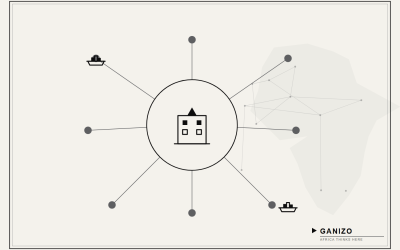
The first scenario is stagnation dressed as success. ZAMIFF continues to grow as an event — more submissions, bigger editions, wider recognition on platforms like FilmFreeway — while the structural constraints of finance, distribution and infrastructure stay unresolved beneath it. In this outcome the festival becomes an annual highlight that everyone admires and no one can build a living on, a stage without a market attached. The warning indicator is a widening gap between festival visibility and transactional activity: rising attendance and submissions with no matching growth in deals struck, films distributed or professionals retained. A festival that grows while its sector does not is celebrating the wrong number.
Scenario Two: A Domestic Industry That Holds
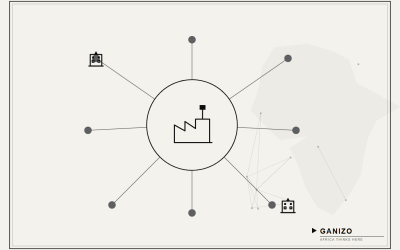
The second scenario is consolidation at national scale. Here the content-market ambition begins to function: broadcasters commission local slates, a distribution layer forms that carries Zambian films to paying domestic audiences, financing mechanisms mature, and enough trained crews stay in the sector to sustain a pipeline. The industry becomes real but largely inward-facing, serving Zambia well without yet exporting at scale. The positive indicators are concrete — disclosed transactions at the market, titles reaching broadcast and streaming, production volumes that rise year on year, and crews building careers rather than leaving. A domestic industry that holds is the necessary base; it is not yet the ceiling.
Scenario Three: A Regional Content Exporter
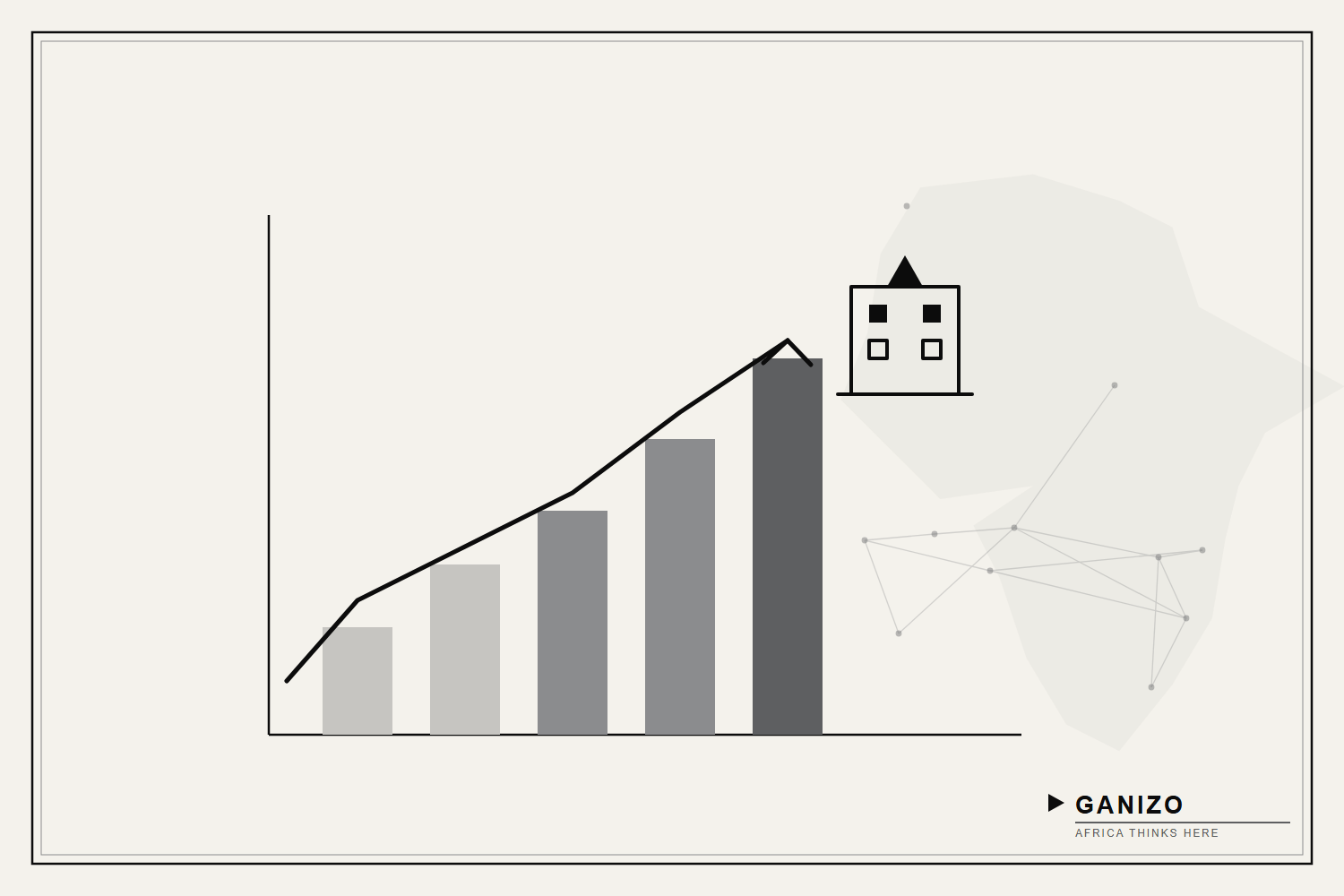
The third scenario is the ambitious one, and the most rewarding. Zambian screen not only serves its home market but exports — co-productions financed across borders, titles licensed to regional streamers and broadcasters, and Lusaka functioning as a genuine content-market node that other markets travel to. This is where the largest returns and the durable creative-economy gains sit, but it depends entirely on the domestic base being built first; no country exports a screen industry it has not stabilised at home. The indicators are cross-border: co-production agreements signed, Zambian titles distributed in neighbouring markets, and inbound production drawn by a reliable local service base. Regional reach is earned domestically before it is claimed abroad.
The Indicators to Track Toward 2031
What separates the three scenarios is measurable, and worth watching deliberately. Track the deal layer, not the stage: transaction volumes at the content market, titles that reach broadcast or streaming distribution, and co-production agreements signed. Track retention: whether trained editors, producers and technicians stay in the sector or leave it. Track distribution reach: domestic first, then regional. And track financing: whether structured, openly allocated funding appears or the sector stays dependent on connection and chance. These indicators will show which path Zambia is on well before 2031 confirms it.
What It Turns On
The frontier question resolves into a single discipline: building the market beneath the festival rather than mistaking the festival for the market. Zambia has the talent, a rising institution and a correctly aimed content-market strategy. Whether that adds up to a sustainable screen industry serving domestic and regional audiences depends on whether finance, distribution and professional infrastructure are built in the years the ambition has bought. The next frontier is not creative; the creativity is already here. It is institutional, and it is being decided now.