
The instruments now funding Zambian conservation — bonds, carbon and biodiversity credits, blended concessions — share a quiet risk: the more sophisticated the finance, the harder it is for the public to see whether it works. A carbon credit sold in a foreign market, a revenue share buried in a concession contract, an outcomes bond priced on models few can read: each can move real money while leaving the two questions that matter unanswered. Is the ecology actually improving, and is the community actually benefiting? Financial innovation in conservation is welcome, but it earns its social licence only when its benefits and its ecological outcomes are measurable. Where they are not, the public interest is not served — it is merely invoked.
The Trade-Off: Sophistication Versus Transparency
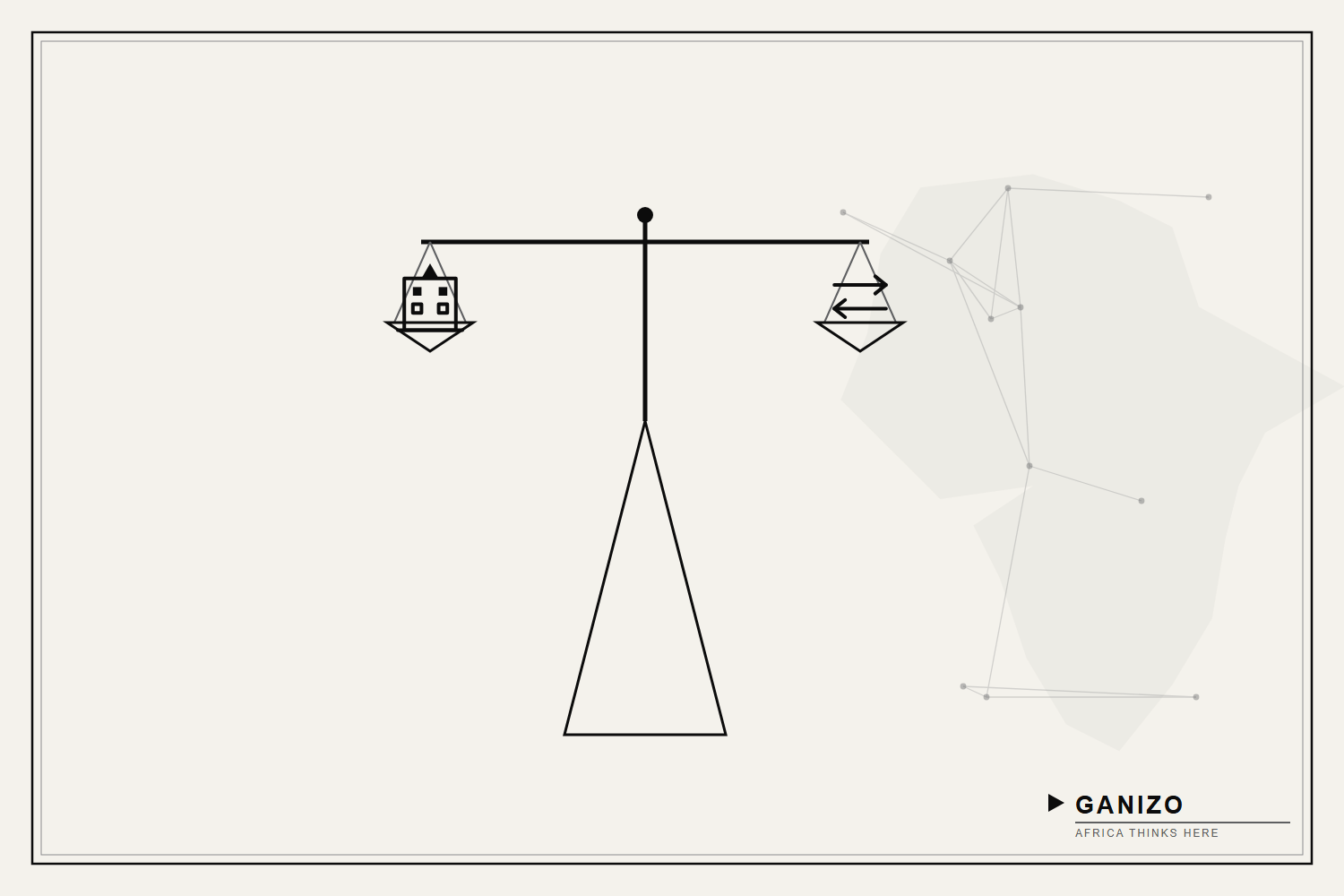
There is a genuine tension here, not a villain. The same complexity that lets a conservation bond raise capital or a biodiversity credit find a buyer also makes the arrangement opaque to the citizen, the neighbouring community and often the regulator. Zambia’s Department of National Parks and Wildlife, whose remit sits within the Ministry of Tourism, governs landscapes whose new financing is increasingly designed and audited abroad. The trade-off is real: reject the instruments and forgo the capital conservation needs; accept them without disclosure rules and risk a sector where money flows and outcomes cannot be checked. The public interest lies in taking the capital and demanding the transparency, not in choosing between them.
Complexity that cannot be audited is not innovation; it is exposure.
Who Wins Under Opacity
When outcomes are unmeasurable, a predictable set of parties gains. Intermediaries — credit brokers, structurers, verifiers with weak standards — earn fees whether or not the ecology recovers. Operators can report activity rather than results. Officials can announce inflows without being held to outcomes. None of this requires bad faith; opacity simply rewards those closest to the deal and furthest from the landscape. The structural danger is that a conservation economy can look busy and well-funded while the wildlife and the wetlands it is meant to protect quietly decline, because no published figure forces the question.
Where no one must show the outcome, the deal rewards the dealmaker.
Who Is Excluded
The excluded are the same throughout this sector: the communities hosting the landscape and the ecosystem itself, neither of which can read a term sheet. A household near Bangweulu or a chieftaincy bordering Kafue cannot verify whether the revenue share it was promised reflects the revenue actually earned, nor whether the carbon sold over its forest translated into protection on its land. When benefits are unmeasurable, the party least able to demand an audit bears the most risk. That is the precise inversion the public interest exists to prevent.
The people who guard the asset should not be the last to see its accounts.
The Reforms the Public Interest Requires
Three measures would keep conservation finance both innovative and accountable. First, mandatory disclosure: any instrument financing a Zambian protected area should publish, in comparable form, its ecological outcomes and the value reaching host communities. Second, independent verification held to a national standard, so that a Zambian credit or bond is not certified only by parties paid to approve it. Third, community access to the figures — revenue-share and outcome data made legible and available to the traditional authorities and residents whose land is at stake, not held solely between operator and financier.
None of this is anti-market. It is what makes the market trustworthy enough to grow. The case for reform is not that conservation finance is failing but that its worst failure mode — money without measurable outcomes — is preventable, and cheaply, with disclosure. For the Zambian official and operator, the public-interest test is simple to state and demanding to meet: if a financing structure cannot show what it did for the ecology and the community, it has not yet earned the landscape it is trading on.