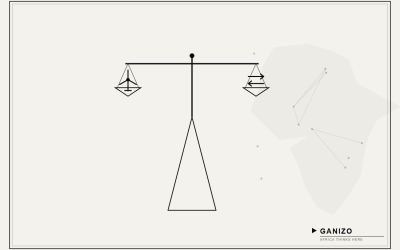
Visibility is not income. A festival can put a Zambian artist on a well-lit stage in front of a regional audience and still leave them no better paid at the end of the week. That gap — between being seen and being paid — is the central risk the Livingstone International Cultural and Arts Festival has to manage. A showcase that does not translate into paid work and market access is a photograph, not a livelihood.
Interrogating that trade-off honestly means naming who gains, who is left out, and what would have to change. Zambia’s tourism marketing, including the national Zambia Tourism platform, is good at projecting the country’s cultural appeal outward. The harder task is ensuring the appeal it projects converts into durable value for the artists whose work supplies it — rather than stopping at exposure.
The Exposure Trap
The first risk is the oldest one in the creative economy: work traded for visibility instead of money. Artists are routinely invited to perform or exhibit on the promise that the audience, the contacts and the profile will pay off later. Sometimes they do. Often they do not, and the artist has effectively subsidised the event with unpaid labour while others — venues, sponsors, the town’s hospitality trade — capture the cash.
For LICAF the risk is structural, not incidental. A festival built to showcase dance, music and art naturally centres exposure, and exposure is genuinely valuable — but only if it sits on top of fair payment, not in place of it. The failure mode is a festival that grows its profile year after year while the artists on its stages see little of the money moving around them.
The takeaway: exposure is a return on paid work, not a substitute for it.
Winners and the Excluded
Name the winners plainly. Established performers with the standing to negotiate, the venues and hospitality businesses that capture visitor spend, and the town’s brand all gain from a bigger festival. Their position lets them convert visibility into revenue because they already control something the festival needs.
The excluded are the artists with the least leverage — emerging performers, informal craftspeople, those without contracts, management or a way to sell beyond the festival dates. They supply the cultural content that draws the crowd yet are least equipped to capture its value. Cross-border participation adds another fault line: regional artists may find it harder still to access payment, contracting and market channels in a town that is not their own. A festival that does not deliberately include these groups will, by default, concentrate its gains among those who least need them.
The takeaway: the artists most essential to the festival are often the ones least able to get paid by it.
The Reforms That Close the Gap
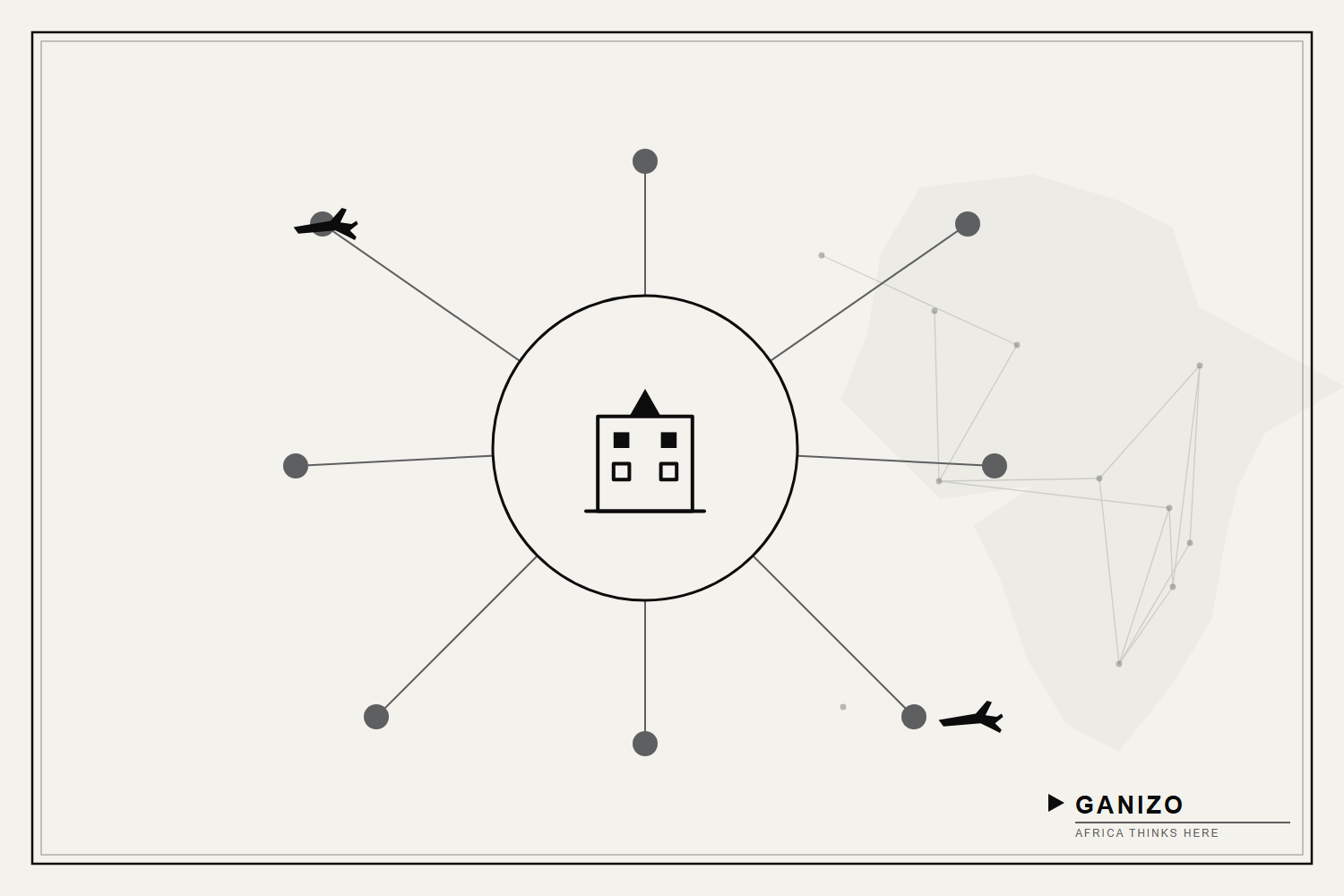
The required reforms are practical, not lofty. Fair and transparent payment for participating artists, so performance is compensated rather than merely rewarded with a platform. Contracting and rights protection, so that recordings, images and performances cannot be exploited without return — a matter of basic intellectual-property discipline for a sector whose entire stock-in-trade is creative work. And market linkage that outlasts the dates: connecting artists to buyers, bookings and sales channels that keep earning after the crowd goes home.
None of these requires reinventing the festival. They require treating artists as businesses with rights and revenues rather than as content to be displayed. Where public bodies and sponsors underwrite the event, they hold the leverage to make fair terms a condition of participation — the point at which cultural policy becomes economic policy.
The takeaway: the difference between a showcase and a livelihood is written in the payment and contracting terms.
Managing the Trade-off
LICAF’s opportunity and its risk are the same fact seen twice. The visibility it creates is real and valuable; the danger is that visibility becomes the whole return, leaving the artists who generate it exposed but unpaid. Managing that means building the plumbing — payment, contracts, rights, market access — that turns a stage into a source of income.
For Zambia, the stakes reach past one festival. A creative economy that pays its artists fairly can compound into a durable industry; one that trades their work for applause cannot. The Falls will keep drawing the crowd, and LICAF will keep filling the stages. Whether it also fills the artists’ accounts is the reform question that decides what the festival is ultimately worth.