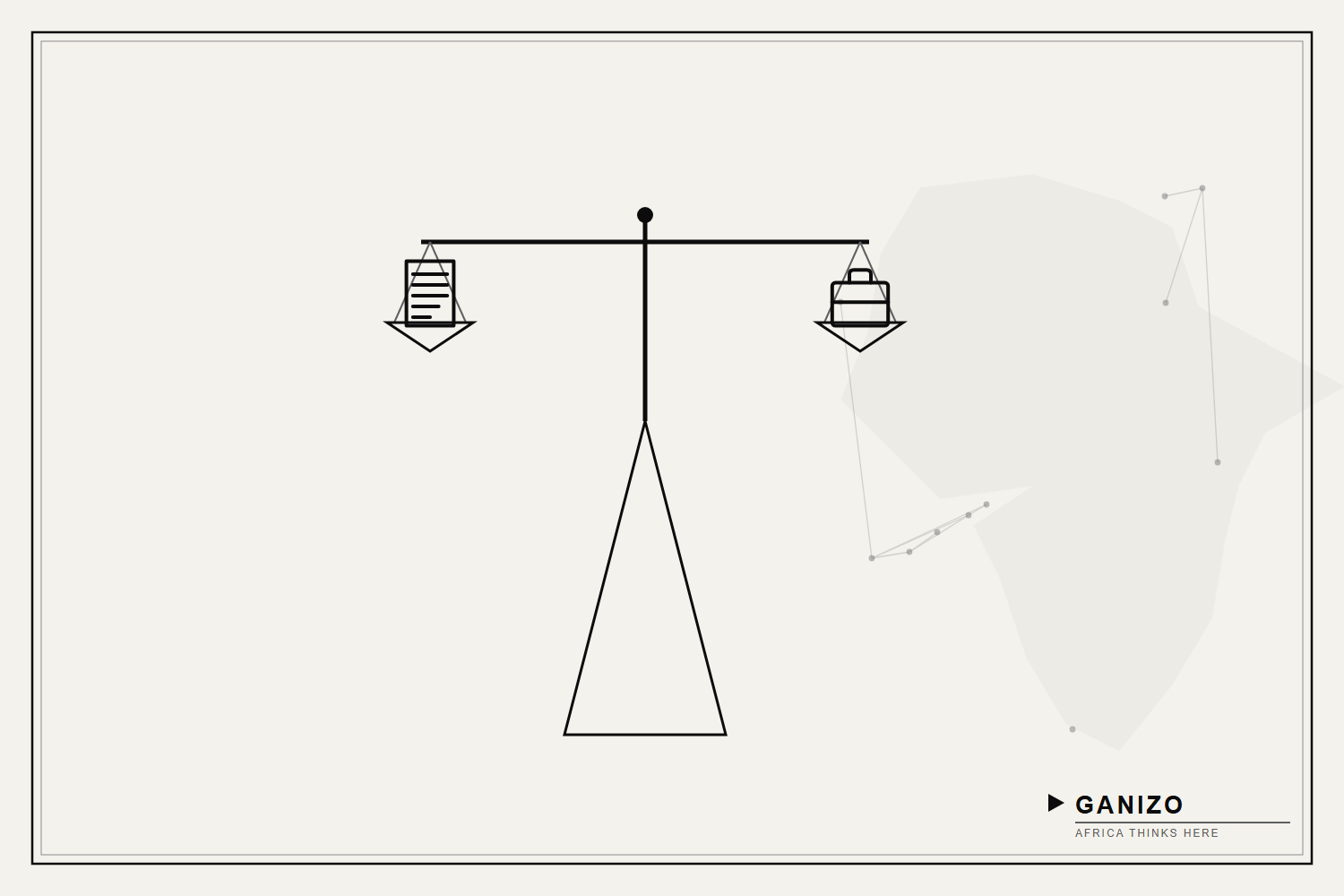

Every reputation has a distribution. Zambia’s standing as a country that changes governments peacefully is real, but a national asset is not the same as an evenly shared one, and the honest question is who actually draws on it. Democratic alternation can be genuine at the level of the state and still leave large groups outside its dividends, which is why the trade-offs matter as much as the achievement.
Read through the country’s development record, the picture is of a reputation that pays unevenly. Some constituencies bank it directly; others watch it from the margins; and the whole asset can be eroded by the very pressures that competitive politics is meant to contain.
The Winners: Who Banks the Reputation
The clearest beneficiaries are those exposed to the peace premium. Investors and lenders gain a lower-risk environment for long-horizon commitments in mining, power and infrastructure. Larger firms and formal-sector employers benefit from policy predictability and the reduced likelihood of disorder. Government itself gains standing with development partners and cheaper access to the credibility that competitive politics confers.
A functioning multiparty system also empowers those who can use it: organised civil society, an independent press, the professional and business classes with the means to petition, litigate and lobby. For them, alternation is not an abstraction but a working tool, and the reputation is something they help produce and directly enjoy.
There is a quieter second tier of beneficiaries too. A predictable political environment supports the planning horizons of ordinary businesses, from Copperbelt suppliers to Lusaka traders, who depend less on any single policy than on the absence of sudden rupture. Stability is a public good they consume daily without ever attributing it to the ballot.
The Excluded: Where the Dividend Thins
The reputation thins at the edges. Growth in Zambia has not always reached the majority, and formal democratic rights deliver less to citizens with little economic security to exercise them. Rural communities distant from services, informal workers outside the protections of the formal economy, and young people facing scarce employment can experience the state as remote regardless of how power changes hands at the top.
The World Bank’s assessment of Zambia situates the country’s development within exactly this tension between economic performance and its uneven reach. Where poverty and inequality remain entrenched, the democratic dividend is felt as a promise rather than a payment. Alternation of governments is not, on its own, redistribution.
The risk in ignoring that gap is not only moral but political. A democracy whose dividends never reach the majority invites the disillusion on which polarisation and populism feed, and an excluded electorate is a standing temptation for anyone willing to campaign against the system rather than within it. Exclusion, left unaddressed, is how a democratic asset is slowly turned into a liability.
The Trade-off: What Can Weaken the Asset
A democratic reputation is also vulnerable from within. It can be weakened by institutional pressure, by the polarisation that turns political competition into a zero-sum contest, and by the uneven application of the rule of law that lets it favour some and bind others. Each of these can hollow out the substance of alternation while the outward form survives.
That is the core trade-off. The same competitive politics that earns the reputation also generates the tensions, and the strength of the courts, the electoral commission and the press between elections determines whether those tensions are contained or allowed to corrode the asset. The form of democracy is easy to keep; the substance is what is at risk.
The Reforms Required: Turning Reputation into Reach
Closing the gap between reputation and reach is a reform agenda, not a slogan. It means protecting the independence of oversight institutions so the rule of law applies evenly. It means widening economic inclusion so that formal rights carry practical weight for informal workers, rural communities and the young. And it means investing in the civic base, so accountability operates between elections and not only at them.
For decision-makers, the takeaway is precise. Zambia’s democratic standing is a genuine asset, but its value depends on who it reaches. A reputation that pays only its existing winners is fragile; one that visibly extends to the excluded is the kind that lasts.