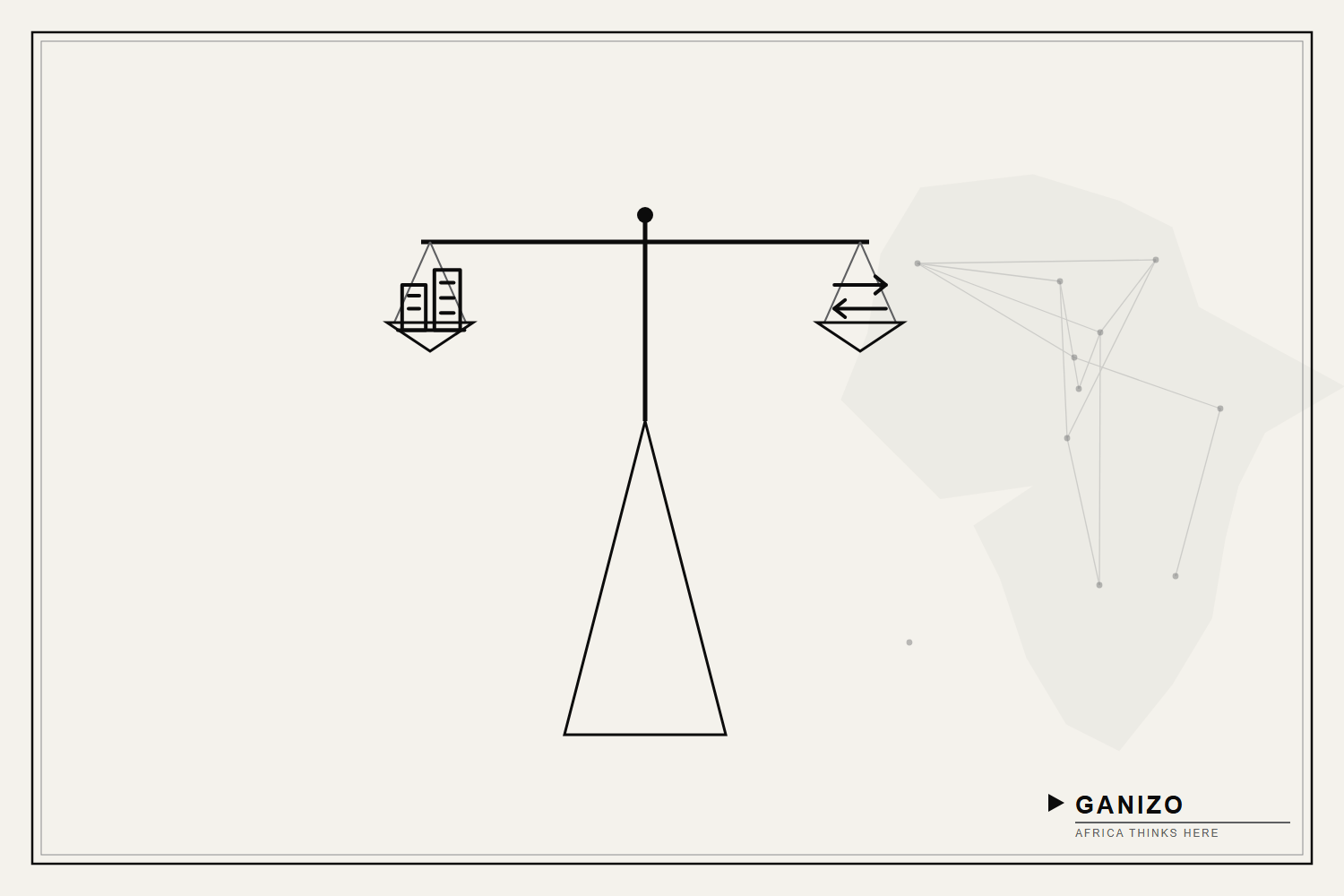

Every plan to monetise a tradition runs into the same wall: some of what makes it valuable is precisely what cannot be sold. The Makishi masquerade grew inside mukanda, the initiation that turns Luvale, Chokwe, Luchazi and Mbunda boys into men, and Likumbi Lya Mize at Mize is its public face. As the ceremony becomes a tourism and heritage asset, the honest question is not how big the opportunity is. It is who benefits, who is left out, and what the sacred core loses in the exchange.
The Line Between Spectacle and Secret
Makishi is two things at once. There is the public performance, dazzling and legible to any audience, and there is the closed knowledge of the initiation camp, which is restricted by design. The commercial value sits mostly in the first; the cultural meaning sits mostly in the second. A visitor economy that treats the whole tradition as spectacle risks pulling secret knowledge into the open market, where it loses the exclusivity that gives it force.
This is not an argument against opening the ceremony. It is an argument for a negotiated boundary, agreed by custodians, that says which parts are for the audience and which are not. The projects UNESCO supports around living heritage exist partly to hold that line. Where the boundary is respected, both the spectacle and the secret survive; where it collapses, the spectacle eventually consumes the thing it was selling.
Who Benefits, Named Plainly
Follow the value and the winners become clear. Senior chiefs and traditional authorities gain visibility and political standing. Tour operators, lodges, transporters and traders capture the visitor spend. Provincial and national government gains a tourism-promotion asset and a cultural-diplomacy card. Media and producers gain content. Each of these is a real beneficiary, and none of them is the problem.
The problem is the mismatch between who carries the tradition and who captures its returns. The makishi dancers, the mukanda instructors, the mask-makers and the households of Zambezi district hold the knowledge and bear the cost, yet sit furthest from the cash register. When value flows to the intermediaries and recognition flows to the authorities, the people doing the actual transmission can end up celebrated and unpaid. A tradition whose custodians go unrewarded is being mined, not supported.
Who Is Excluded, and Why It Matters
Exclusion here is structural, not accidental. Women and non-initiates are excluded from parts of the tradition by the culture itself, which is the community’s prerogative and not for outsiders to relitigate. But there is a second, economic exclusion that is nobody’s tradition: young people who want to participate but see no livelihood in it, rural craft-makers with no route to market, and custodians with no formal ownership of the archives, images and rights generated from their practice.
That second exclusion is the fixable one. If the youth who should inherit the tradition cannot earn from it, they leave for Lusaka, Solwezi or the Copperbelt, and transmission thins with each cohort. The exclusion that should worry planners is not ritual; it is economic.
The Reforms the Trade-Off Requires
Three reforms follow directly. First, a consent and boundary framework, led by custodians, that fixes what is public and what is closed before the cameras and operators arrive. Second, a benefit-sharing structure that routes a defined share of festival, craft, archive and licensing value in Kwacha back to the dancers, makers and instructors, not only to authorities and intermediaries. Third, community ownership of the rights layer, so images, footage and recordings are held with the custodians rather than extracted from them.
None of this blocks commerce. All of it decides whether commerce strengthens the tradition or strip-mines it. Likumbi Lya Mize can carry both a sacred core and a public market, but only if the boundary between them is negotiated by the people who hold the knowledge.
The question the title asks answers itself once the money is traced: many will benefit, but the tradition only survives if the custodians are first in line, not last.


