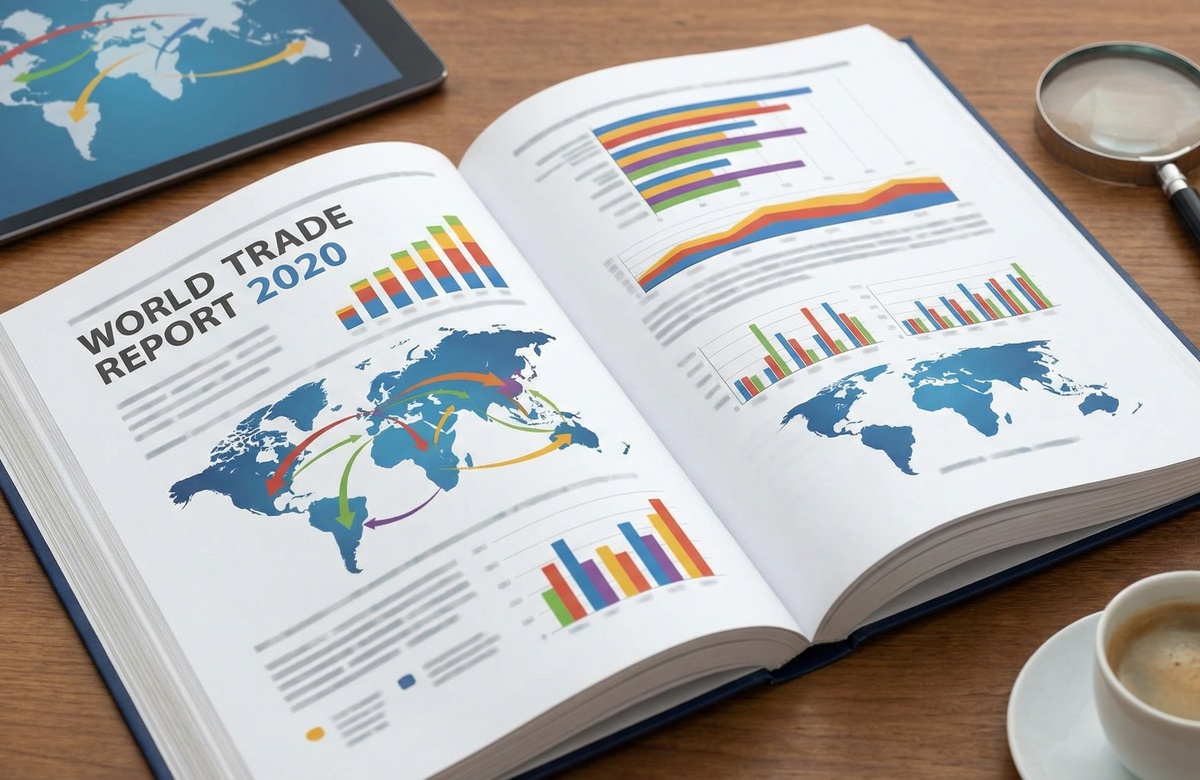

By Staff Writer | for Moakanyi Magazine
In the digital age, a growing number of governments have adopted policies aimed at boosting growth through innovation and technological upgrading.
The domestic economic fallout linked to the COVID-19 pandemic is leading countries to strengthen these policies. This report looks at those trends, and at how trade and the WTO fit into them. It shows that international cooperation could play a significant role in making countries’ pursuit of such goals more effective, while minimizing the negative spill-overs from national policies.
The shift towards digitalization and knowledge-based economies highlights the increasing importance of innovation and technology to economic growth. Under the so-called “new industrial policies”, government policies aim at shifting domestic production towards new, enabling digital technologies, while at the same time facilitating the modernization of mature industries.
At each phase of policymaking, governments have to balance multiple objectives, from attempts to correct real or perceived market failures, to the dual task of managing change in mature sectors, while promoting emerging industries and technologies. Over the past two decades, economies have met these objectives with increasingly outward-oriented policies, in recognition of the fact that openness – access to larger markets and increased competition – leads firms to innovate.
The digital age further underlines this need for openness. Trade and trade policy have historically been important engines for innovation. The certainty and predictability in global market conditions fostered by the multilateral trading system have made an enormous contribution to innovation and technology diffusion globally, notably by underpinning the rise of global value chains. Countries have accessed advanced technology by importing capital goods, by means of technologies, and by building knowledge through partnerships and global value chain participation.
Today, a defining feature of government policies is to support the transition towards the digital economy, which is one reason why more and more governments adopt knowledge-based strategies.
However, international cooperation is necessary if outward oriented policies are to be effective. In the context of “new industrial policies” and related policies geared towards innovation, and the transition towards the digital economy, some of these strategies can have positive spill-overs for other countries – generating growth, creating new markets and encouraging technology diffusion. At other times, these strategies can have negative spill-overs – distorting trade, diverting investment, or promoting unfair competition. The challenge for WTO members is to provide a framework of shared rules that encourages positive sum outcomes and discourages zero- or negative-sum ones. This is not a new challenge.
The system that was created after the Second World War was designed precisely to reconcile international rules with national policy space and flexibility. The full report is available from the World Trade Organisation website.
Source: WTO