For most of the post-independence era, Zambia treated its traditional ceremonies as heritage to be tolerated rather than an asset to be used. There were dozens of them, scattered across provinces and calendars, rooted in harvests, migrations, initiation, chiefly authority and the ecological cycles that once governed rural life. Individually they were local. Only recently has the country begun to read them together, as a national network with strategic weight. That shift in framing, from scattered custom to coordinated asset, is the real story.
From Many Ceremonies to One System
Zambia’s ceremonies were never designed as a system. The Kuomboka of the Lozi follows the flooding of the Zambezi plains; Nc’wala among the Ngoni marks the first fruits; Likumbi Lya Mize carries the Luvale Makishi tradition in the North-West; and dozens more mark initiation, migration and the authority of chiefs across the country. Each grew from a specific people, place and season, answerable to no central plan.
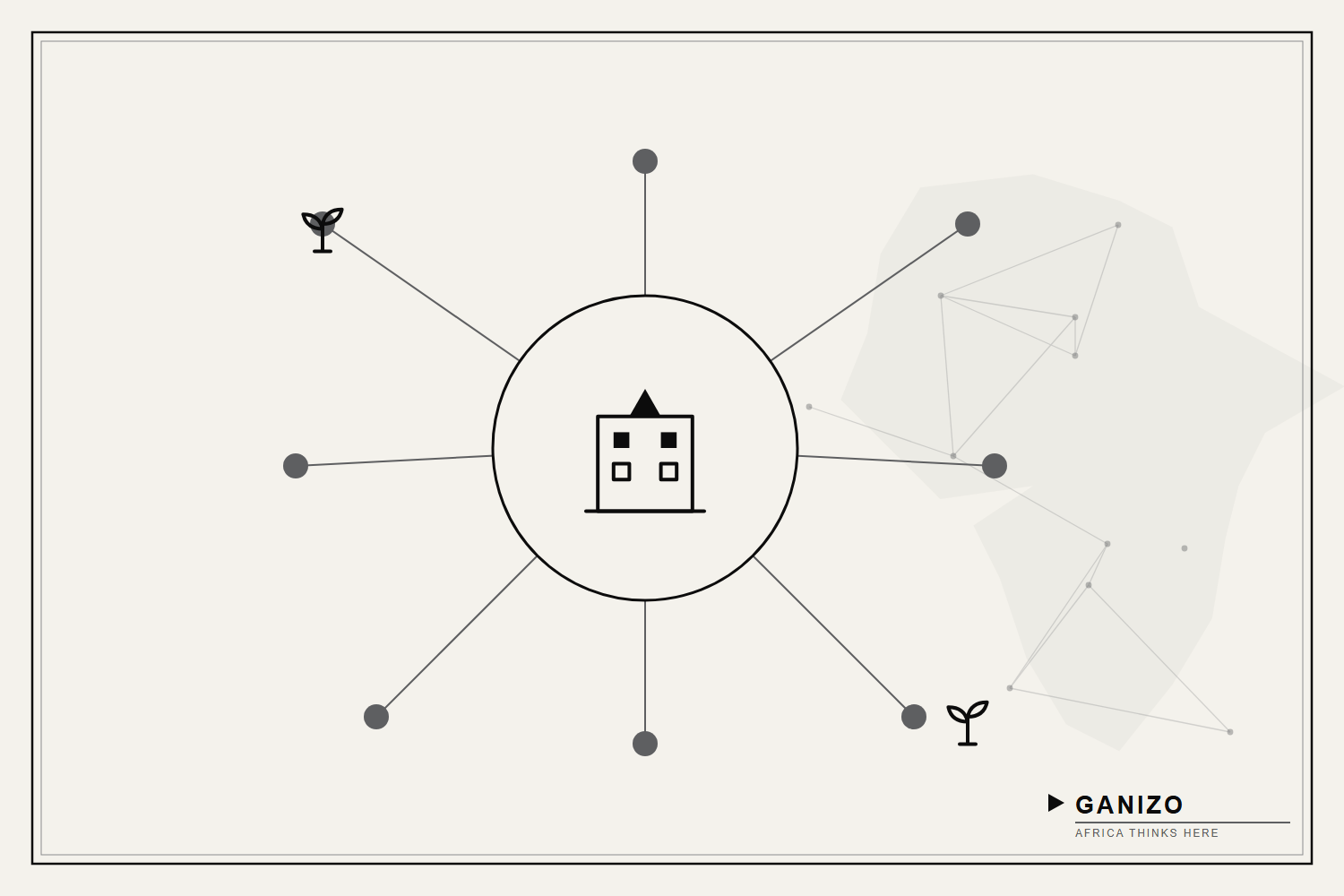
What has changed is the lens. Seen one at a time, these are local customs. Seen together, they form a nationwide calendar of gatherings, each with a fixed date, a fixed place, a guaranteed audience and a custodian institution already in charge. The Ministry of Tourism’s cultural framing treats them increasingly as exactly that: a distributed network rather than a list of isolated events. A single ceremony is a custom; forty synchronised ceremonies are an infrastructure.
The Roots That Give the Network Value
The network’s strength is that its foundations are real, not manufactured. These ceremonies rest on harvests and first fruits, on the memory of migrations, on the rites that move people between life stages, on the standing of chiefs, and on ecological cycles of flood and season. That depth is what a constructed festival can never buy, and it is precisely what makes the ceremonies durable as an asset.
It also makes them credible to visitors and to Zambians alike. A ceremony that a community performs for its own reasons carries an authenticity that no marketing budget can replicate. The value on offer is not nostalgia; it is a living practice that happens to be legible to an outside audience. Authenticity is the one input the ceremonies already own outright.
Recovery, Visibility and the Political Turn
The recent turn has three visible signs. Public attendance has renewed, with ceremonies drawing crowds that had drifted toward urban and imported leisure. Political visibility has risen, as national leaders attend and align themselves with major ceremonies, lending them profile and, sometimes, resources. And the ceremonies have moved into tourism promotion, appearing in the material Zambia uses to sell itself abroad and to fill hotel beds in Lusaka, Livingstone and the provinces.
Each of these is double-edged. Political attention brings profile but can crowd the custodians; tourism promotion brings spending but can tilt a ceremony toward performance. The network becomes a strategic asset only if the visibility is converted into resources that reach the communities, rather than staying at the level of the podium and the brochure. Visibility without reinvestment is a photo opportunity, not a strategy.
Why the Framing Is the Asset
The strategic value of treating ceremonies as a network, rather than a scatter of events, is practical. A network can be marketed as a national circuit, drawing visitors across provinces and seasons instead of to a single weekend. It can justify shared investment in the roads, transport and accommodation that any one ceremony could never fund alone. It can be documented once, as a coherent body of heritage, rather than piecemeal. And it gives Zambia a cultural-diplomacy asset that distinguishes it from competitors selling only wildlife and waterfalls.
That is how dozens of local customs became a Zambian strategic asset: not by changing the ceremonies, but by changing how the country reads them. The ceremonies were always there. The strategy is new, and it is only as good as the reinvestment that follows the recognition.