
Across the continent, debt relief and energy investment usually arrive as separate conversations, often with separate lenders and separate timelines. A country restructures its bonds with one set of creditors, then goes looking for grid finance with another. Zambia’s latest move collapses that sequence into a single blueprint, and that is why analysts are reading it as more than a domestic transaction.
The Blueprint: One Transaction, Two Problems
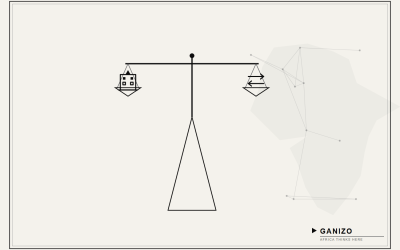
The structure pairs an African Development Bank loan with government funds to retire expensive bonds, then commits US$275m over 15 years to a grid-resilience programme. Daily Maverick’s analysis frames this as a new model for African development precisely because the saving is ring-fenced for power rather than absorbed into the general budget.
The discipline is the innovation. Many countries have lowered their debt-service bill and watched the relief disappear into recurrent spending. Tying the freed-up money to a named programme with a 15-year horizon is what turns a one-off restructuring into a financing machine.
The takeaway: the value is not in cutting the coupon but in committing where the savings land.
The Manager: Why GreenCo Power Services Matters
The grid-resilience programme is to be managed by GreenCo Power Services, and the choice of manager carries weight. GreenCo operates as a power trader and intermediary in the Southern African market, the kind of entity built to sit between generators, the grid and buyers. Handing the programme to such a manager, rather than running it through a line ministry alone, signals an intent to manage the money like an investment portfolio.
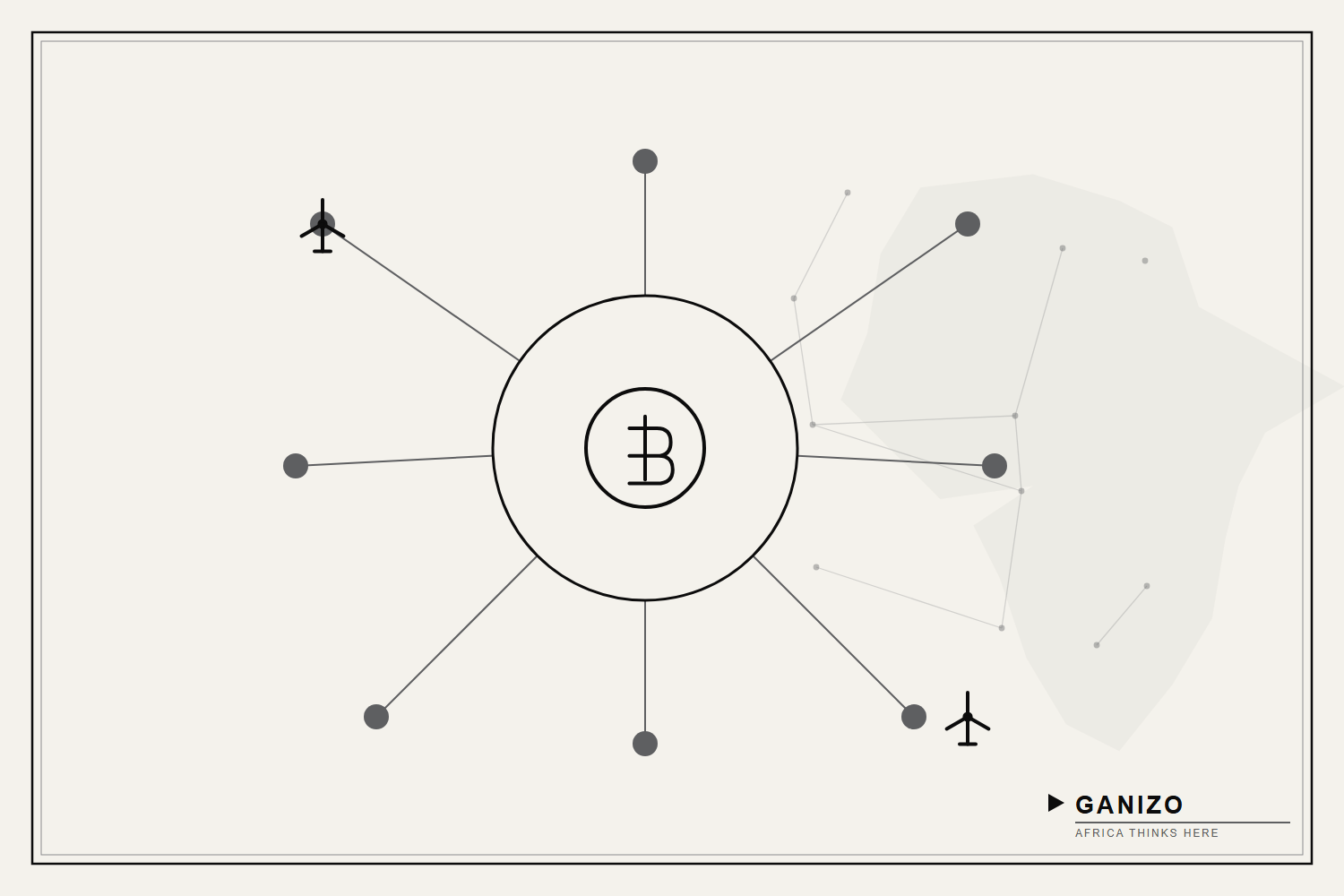
The mandate is concrete: strengthen distribution and integrate renewables. Those two goals belong together. A grid that loses less power between plant and meter is also a grid that can absorb intermittent solar without buckling, which is what a hydro-heavy system needs as it diversifies away from rainfall risk.
The takeaway: who manages the money shapes whether it behaves like spending or like investment.
The Template: What Other Economies Will Watch
If the structure performs, the parts are portable. Many African sovereigns hold restructured or expensive paper and run under-resourced grids, the same two files Zambia is stapling together. A working precedent gives finance ministers and institutions such as the African Development Bank a template to argue for: relief conditioned on infrastructure, with a development bank underwriting the bridge.
The caution is real. A blueprint is not a result, and the programme still has to deliver lines, substations and absorbed solar before anyone calls it a model. But the logic is sound, and sound logic travels.
The takeaway: a structure becomes a model only after the first one delivers, but the design is already worth copying.
The Read for the Region
For operators and investors watching Southern Africa, the signal is directional. Zambia is testing whether debt relief can be engineered into durable energy capacity, and a positive result would change how the next restructuring is framed across the region. The reform-minded reading is that the country has found a way to make a hard-won workout pay for the infrastructure its economy actually runs on.
The so-what: if US$275m of committed grid spend turns into reliable supply, the lesson for the continent is that debt and energy were never two problems, but one. For Zambian operators specifically, the near-term gain is less load-shedding and a distribution network that can carry the solar coming onto it; for the wider region, the gain is a worked example of relief that builds rather than relief that evaporates. Both depend on execution over a 15-year horizon, which is the part no blueprint can promise. The structure is sound, the manager is chosen, and the test now is simply delivery.