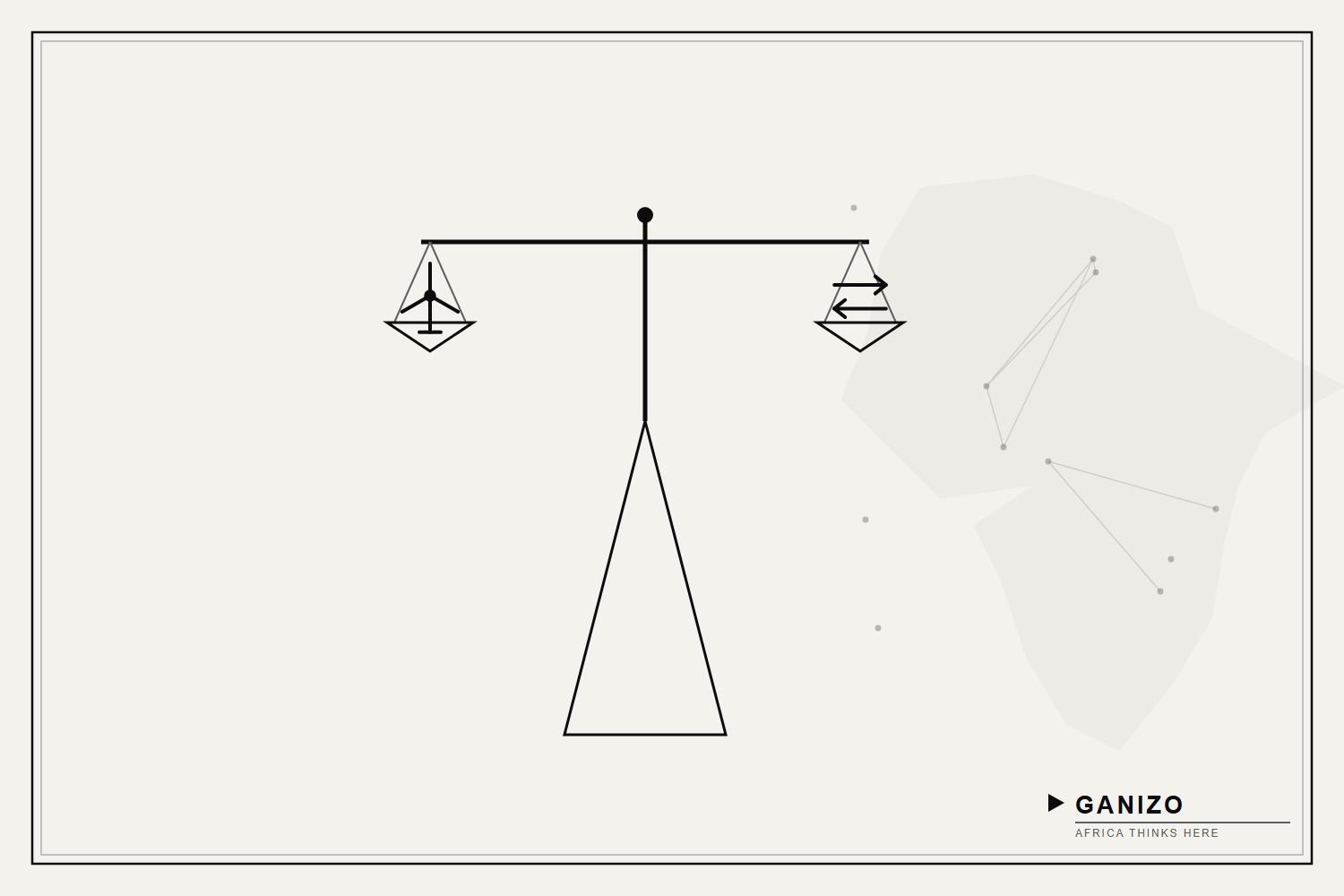
Behind every heritage decision sits a bargain that is rarely stated out loud. Preserving Zambia’s liberation memory means choosing which stories get recorded, who controls the record, and how a politically charged past is handled in the present. The material is dispersed, sensitive and disappearing with the generation that holds it. That combination forces a policy trade-off, and pretending it does not exist is how good intentions produce contested archives.
The Core Tension: Urgency Against Sensitivity
The first horn of the dilemma is time. The people who lived the liberation era are elderly, and the record they carry is unwritten. Every year of delay is an irreversible loss. That argues for moving fast and recording everything possible now.
The second horn is sensitivity. Liberation history is not neutral. It involves rival movements, contested leadership, uncomfortable episodes and living political interests on both sides of several borders. Recording it invites disputes over whose version is told and whose is left out. The academic literature on memory politics, including work gathered in scholarship on the contested uses of collective memory, shows how easily preservation becomes a site of struggle rather than a settlement of the past. Move too fast and the record is partial; move too carefully and the narrators die first. The bargain is choosing a defensible point between the two.
The Winners: Who Gains From Preservation
Some parties clearly benefit. The state gains a documented claim to regional standing and a soft-power asset. Researchers and universities gain primary material. The creative sector — film, publishing, tourism — gains raw content. And the descendants of participants gain a recorded lineage where there was only fading recollection. A well-run programme has a broad constituency of support, which is what makes public funding politically feasible.
Those winners are worth naming because they are also the natural coalition to sustain the work. A heritage programme without an identified set of beneficiaries drifts; one that can point to who is served is easier to defend when budgets tighten and competing priorities arrive.
The Excluded: Whose Memory Gets Left Out
Every archive is also a set of omissions. The risk in liberation memory is that the official, movement-centred, capital-city version is captured while others are not: rural host communities that bore the cost, women whose contributions were logistical rather than titled, minority factions on the losing side of internal contests, and the ordinary households whose hospitality never made the record. If preservation follows only the prominent and the powerful, it hardens one version into the official truth and quietly erases the rest.
This is the part of the bargain most easily ignored, because the excluded do not lobby. A policy that takes it seriously builds in deliberate effort to record the periphery, not just the centre, and sets aside budget for the harder-to-reach voices before the easy ones absorb it all. An archive is defined as much by what it leaves out as by what it keeps.
The Required Reforms: Making The Bargain Explicit
Handling the trade-off well calls for a few concrete commitments rather than good intentions. A clear custodianship framework settles who owns and controls the record before disputes arise. A methodology that deliberately seeks out marginal voices guards against a one-sided archive. Open, rules-based access reduces the temptation to weaponise the material politically. And a funded, time-bound plan for oral-history capture treats the demographic clock as the binding constraint it is.
None of these is exotic; they are standard practice in mature heritage systems. The reform is committing to them in advance, in public, so the bargain is made openly rather than by default. A memory programme is trustworthy in proportion to how honestly it names what it chooses to leave out.