A country with one route to the sea has a dependency. A country with several has a choice — but only if it manages them as options rather than letting each become a separate obligation. That distinction is the strategic problem now facing Zambia. The corridors are being built; the harder work is deciding what portfolio of them the country actually wants by the time this decade closes.
The Dependency Trap: More Routes, Same Weakness
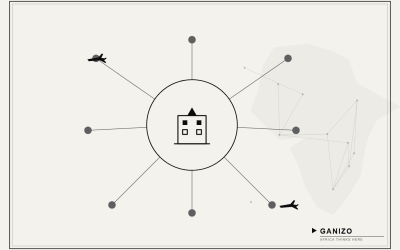
The intuitive assumption is that more corridors mean more security, but that holds only under conditions. A UNDP policy analysis of the Lobito Corridor and its regional implications makes the case that new routes deliver resilience only when a country retains the ability to shift cargo between them; where each corridor is locked to a single financier, a single commodity and a single foreign partner, the result is several dependencies rather than one flexible network.
The strategic asset, in other words, is not the number of railways. It is the freedom to reroute. That freedom is not a natural feature of geography; it is an institutional achievement, won through the contracts a country signs and the interoperability standards it insists on before the first sleeper is laid.
Scenario One: The Managed Portfolio
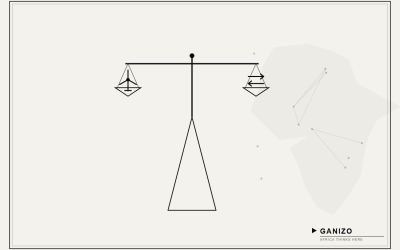
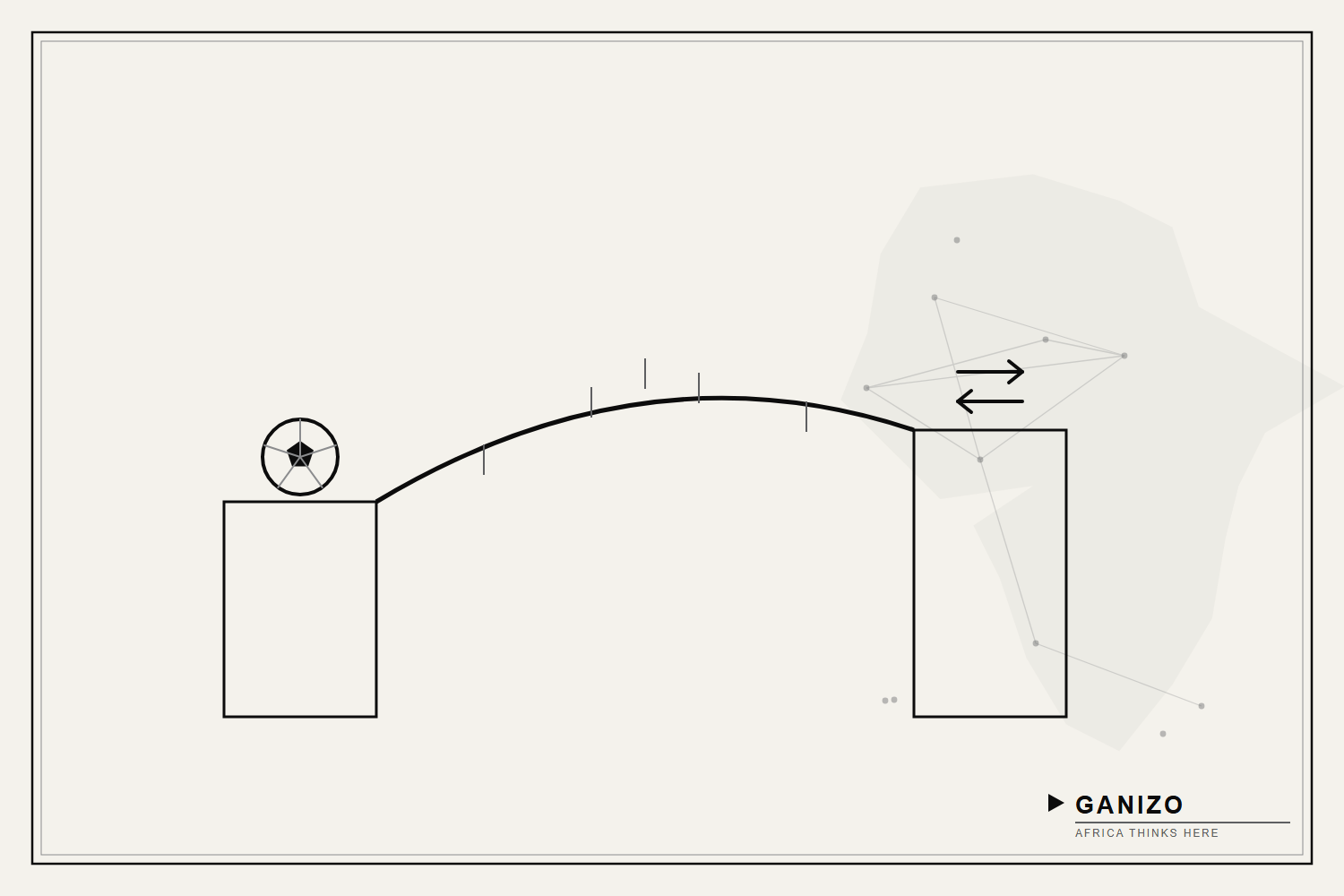
In the more favourable scenario, Zambia treats its corridors the way a treasurer treats a currency book — as a spread of options actively balanced against one another. Freight moves west via Lobito or east via TAZARA according to price, congestion and season; tariffs are disciplined by the credible threat of diversion; and the country invests in the interoperability — common standards, shared clearance systems, flexible contracts — that lets a wagon leave Solwezi without its destination port being predetermined.
Under this path the corridors compound Zambia’s bargaining power. No single partner can dictate terms, because the cargo can always go the other way. The takeaway is that optionality has to be built, not assumed.
Scenario Two: The Fragmented Commitments
The adverse scenario is subtler than outright failure. Here each corridor is completed, but on terms that bind Zambia to it — long exclusive concessions, commodity-specific financing, incompatible systems — so that the routes cannot substitute for one another. The country ends with three railways and no leverage, having converted a single dependency into a portfolio of them. Capital is spread too thin to make any one route cheap, and political attention fragments across competing foreign sponsors.
This is the outcome that vigilance is meant to prevent, and it is reached not through any dramatic misstep but through a series of separately reasonable deals that were never weighed as a whole.
Indicators to Track Toward 2031
The difference between the two paths will be visible early to anyone watching the right signals. Track whether freight actually shifts between corridors in response to price and disruption, or stays locked to one line. Track the tariff trend: are rates falling as competition bites, or holding because the routes do not truly compete. Track the share of Zambian copper and cobalt processed domestically before export, the best single sign that corridors are building industry rather than only draining ore. Track the length and exclusivity of concession terms the country signs. And track whether agricultural and manufactured goods, not just minerals, are moving on the new lines. Track, finally, the diversity of the financing itself — whether the capital behind the corridors comes from a single sponsor or a spread of them, since concentration in the funding tends to reproduce itself in the terms of access.
By 2031 those indicators will have answered the question that the announcements cannot. The strategic choice ahead is not which corridor to back — it is whether to hold all of them loosely enough that each remains an option. Zambia’s advantage is that its geography is contested and its suitors are many; the discipline required is to keep it that way.